
Universal menu

  • Global
  • Regions
    • Africa
    • Americas and the Caribbean
    • Arab States
    • Asia and the Pacific
    • Europe and Central Asia
  • Knowledge
  • Data
  • Training
  • Transparency
UN Women - For all women and girls

Main Navigation-HQ

  • Who we are
    • About us
      • About UN Women
      • Business model
      • Guiding documents
      • Worldwide presence
    • Leadership
      • Governance structure
      • Executive leadership
      • Executive Board
      • Accountability
    • Work with us
      • Employment
      • Procurement
      • Calls for proposals
      • Contact us
      • UN Women Strategic Plan 2026–2029
      • UN Women Strategic Plan 2026–2029 - social media image
        UN Women Strategic Plan 2026–2029
  • What we do
    • Focus areas
      • Ending violence against women
      • Peace and security
      • Humanitarian action
      • Leadership and governance
      • Economic empowerment
      • Innovation and technology
      • Women with disabilities
      • Youth
      • HIV and AIDS
    • How we work
      • 2030 Agenda for Sustainable Development
      • Commission on the Status of Women
      • Gender parity in the UN system
      • Intergovernmental support
      • Partnerships
      • Research and data
      • Training Centre
      • Trust funds
      • UN system coordination
      • Gender Equality Accelerators
      • Gender Equality Accelerators artwork
        Gender Equality Accelerators
  • News and stories
    • Latest
      • News
      • Articles and explainers
      • In focus
    • Media center
      • Press materials
      • Media contacts
      • Explainer: Why are women so exhausted? Care work and the mental load
      • Two adults stand at a table changing diapers on baby dolls, with laundry hanging on a clothesline behind them in a home setting.
        Explainer: Why are women so exhausted? Care work and the mental load
      • Press release: Aid cuts dismantle women’s organizations working in humanitarian crises
      • A young Ugandan woman sits with another local woman to talk
        Press release: Aid cuts dismantle women’s organizations working in humanitarian crises
  • Digital library
    • Resources
      • Publications
      • Annual reports
      • Progress of the world’s women
      • World survey on the role of women in development
      • The gender snapshot
    • GenderTerm
      • GenderTerm
      • Reprint permissions
      • UN Women Highlights 2025–2026
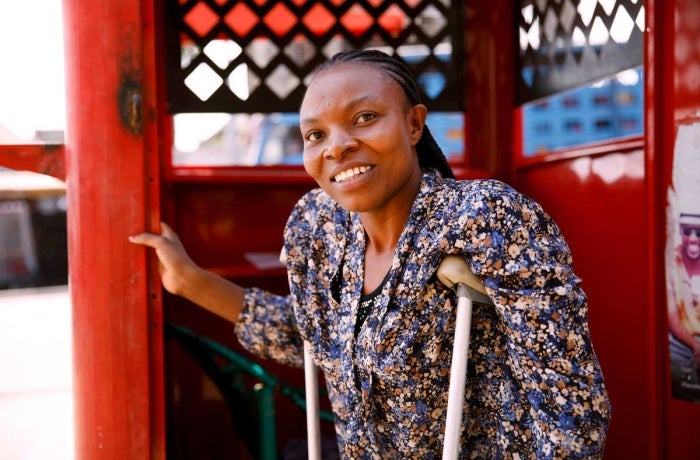
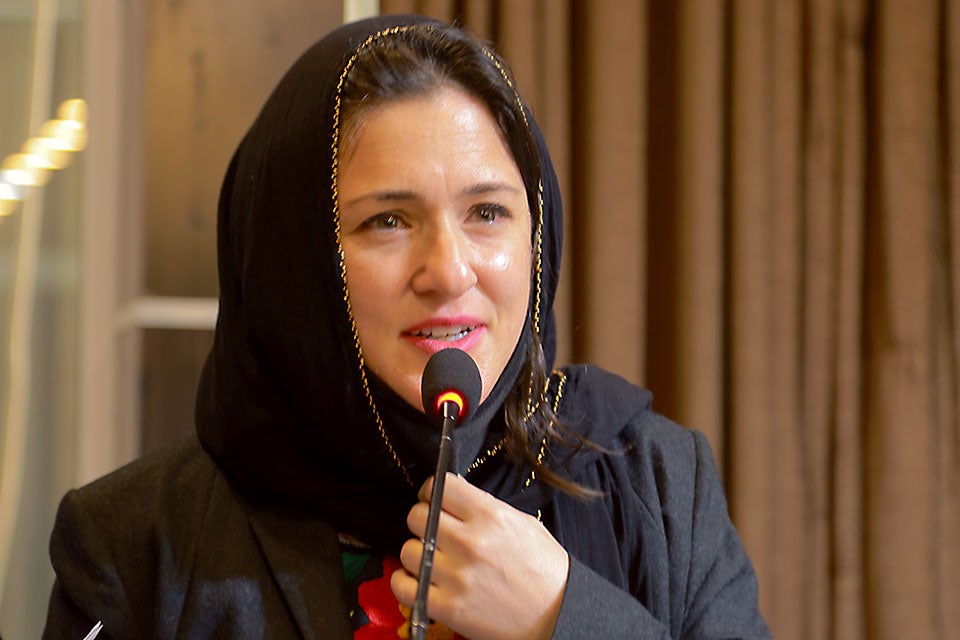
      • A smiling woman.
        UN Women Highlights 2025–2026
      • The gender snapshot 2025
      • gender snapshot thumbnail transparent
        The gender snapshot 2025
  • Get involved
    • How to get involved
      • For ALL Women and Girls
      • International Women's Day
      • 16 Days of Activism to End Violence against Women and Girls
      • UNiTE! Campaign to End Violence against Women
      • Generation Equality
      • He for She
Ask AI
https://84e5cfacd5c7e99f9825edf344450c.1b.environment.api.powerplatform.com/powervirtualagents/botsbyschema/crad4_websiteQA/directline/token?api-version=2022-03-01-preview
1
-
Ask your question here
AI website assistant

Hello, how can I assist you?

AI chatbot responses may be incorrect. Always verify important information.

Donate button menu

Donate

Breadcrumb

  1. Home
  2. Explore Our Latest News
  3. Explore Our Latest News

Website survey

We want to know how we can improve your experience on this website. Completing this survey takes less than 5 minutes.

TAKE THE SURVEY
Statement

The solutions are clear: Let’s end the HIV epidemic

UN Women statement for World AIDS Day, 1 December 2024

26 November 2024
  • Share to Facebook
  • Share to Twitter
  • Share to LinkedIn
  • Share to E-mail

HIV continues to take a heavy toll on women and girls. Every week, 4,000 young women and girls around the world are newly infected with HIV – 3,100 of them in sub-Saharan Africa. Violence against women and girls, which increases the risk of HIV for women by 50 per cent, remains pervasive, with no country within reach of eradicating it. Restrictions on young women’s bodily and economic autonomy further exacerbates their risk of infection.

The solutions are clear. To end the HIV epidemic, we must prioritize the rights, health, and agency of women and girls in all their diversity. Women and girls need access to HIV prevention methods that they can afford and control. The new twice-yearly injection with 100 per cent efficacy holds transformative potential. But prevention must be paired with accessible care, psychosocial support, and laws rooted in gender equality and human rights.

To enable this, we must ensure that women’s organizations, particularly those of women living with HIV, are adequately funded, so that they can continue to be key players in the HIV response. We must invest in strengthening women’s leadership. We must build on community-led responses that are key to removing structural barriers for women and girls. We know that this, especially for young women, along with providing mentorship helps them to become powerful change-makers in the HIV response. And we must transform unequal gender norms that put women and girls at risk of HIV and that create barriers to health services.

In 1995, world leaders united to adopt the Beijing Declaration and Platform for Action. One of the commitments in this visionary agenda for women’s rights was ending HIV and AIDS for women and girls. On World AIDS Day, and every day, let us recommit to these promises by ensuring women’s rights and gender equality are central to the HIV response. Women and girls deserve no less.

Topics

  • HIV and AIDS
  • Care and support services

Related content

Image
Nepal is part of a growing global movement to transform care systems that work better for women, families, and communities. UN Women’s Transform Care Investment Initiative Asia-Pacific calls for catalytic investments to benefit at least 100 million women and girls and create 125 million new employment opportunities in the care economy by 2035, and reduce women’s unpaid care work. In this photo, a woman assists an older woman walking on the street. Photo: UN Women/Srijana Bhatta
Feature

Kathmandu is a caring city – here’s what that means for women

17 July 2026
Kathmandu is a caring city – here’s what that means for women
Image
Image placeholder with UN Women logo (English) - 3:2 aspect ratio
Statement

Statement: Recommit and resource the power of women and girls to transform the AIDS response

28 November 2025
Statement: Recommit and resource the power of women and girls to transform the AIDS response
Image
Indigenous women of Guatemala’s Polochic valley are feeding their families, growing their businesses and saving more money than ever before, with the help of a joint UN programme that’s empowering rural women. Photo: UN Women/Ryan Brown
Feature

In Latin America, we’re not just recognizing care work – we’re rebuilding economies around it

27 June 2025
In Latin America, we’re not just recognizing care work – we’re rebuilding economies around it

Footer menu-HQ

  • News and stories
  • Resources
  • What we do
  • How we work
  • Where we are
  • Partnerships
  • Employment
  • Procurement
  • Contact us
  • Executive Board
  • Commission on the Status of Women

Donate button menu [Footer tablet]

  • Donate

Donate button menu [Footer]

  • Donate

Social media menu

  • Facebook
  • Twitter
  • LinkedIn
  • Flickr
  • YouTube
  • Instagram
UN Women - For all women and girls

Footer bottom [Menu]

  • Copyright
  • Information security
  • Privacy notice
  • Report wrongdoing
  • Terms of use
Share this page
  • Share to Facebook
  • Share to Twitter
  • Share to LinkedIn
  • Share to E-mail

Or copy link