Aller au contenu principal

Universal menu

  • Mondiale
  • Régions
    • Afrique
    • Amériques et Caraïbes
    • États arabes
    • Asie et Pacifique
    • Europe et Asie centrale
  • Connaissance
  • Donnés
  • Entraînement
  • Transparence
ONU Femmes - Pour toutes les femmes et les filles

Main Navigation-HQ

  • Qui nous sommes
    • À propos de nous
      • À propos d’ONU Femmes
      • Modèle opérationnel
      • Documents directeurs
      • Présence mondiale
    • Dirección
      • Structure de gouvernance
      • Leadership exécutif
      • Conseil d'administration
      • Responsabilité
    • Travaillez avec nous
      • Empleo
      • Approvisionnement
      • Contactez-nous
      • Plan stratégique d’ONU Femmes 2026–2029
      • UN Women Strategic Plan 2026–2029 - social media image
        Plan stratégique d’ONU Femmes 2026–2029
  • Notre travail
    • Comment nous travaillons
      • Programme de développement durable à l'horizon 2030
      • Commission de la condition de la femme
      • Parité des sexes dans le système des Nations Unies
      • Soutien intergouvernemental
      • Partenariats
      • Recherche et données
      • Centre de formation
      • Fonds de subventions
      • Coordination du système des Nations Unies
    • Domaines d'intervention
      • Mettre fin à la violence contre les femmes
      • Femmes handicapées
      • Action humanitaire
      • Leadership et gouvernance
      • Autonomisation économique
      • Innovation et technologie
      • Femmes handicapées
      • VIH et SIDA
  • Nouvelles
    • Centre des médias
      • Matériel de presse
      • Contacts médias
      • Pourquoi les femmes sont-elles si épuisées ? Le travail de soins et la charge mentale
      • Two adults stand at a table changing diapers on baby dolls, with laundry hanging on a clothesline behind them in a home setting.
        Pourquoi les femmes sont-elles si épuisées ? Le travail de soins et la charge mentale
      • Les coupes budgétaires dans l’aide humanitaire entraînent le démantèlement d’organisations de femmes intervenant dans les crises humanitaires
      • A young Ugandan woman sits with another local woman to talk
        Les coupes budgétaires dans l’aide humanitaire entraînent le démantèlement d’organisations de femmes intervenant dans les crises humanitaires
    • Dernière
      • Nouvelles
      • Articles explicatifs
      • Au point
  • Digithèque
    • Resources
      • Publications
      • Rapport annuel
      • Progress of the world’s women
      • World survey on the role of women in development
      • The gender snapshot
    • SexeTerme
      • SexeTerme
      • Autorisations de réimpression
      • Gros plan sur l’égalité des sexes 2025
      • gender snapshot thumbnail transparent
        Gros plan sur l’égalité des sexes 2025
  • Rejoignez-nous
    • Comment s'impliquer
      • Pour TOUTES les femmes et les filles
      • Journée internationale de la femme
      • 16 jours d'activisme pour mettre fin à la violence contre les femmes et les filles
      • Campagne UNiTE! pour mettre fin à la violence faite aux femmes
      • Lui pour Elle
Demandez à l'IA
https://84e5cfacd5c7e99f9825edf344450c.1b.environment.api.powerplatform.com/powervirtualagents/botsbyschema/crad4_websiteQA/directline/token?api-version=2022-03-01-preview
1
-
Posez votre question ici
Assistant de site Web IA

Bonjour, comment puis-je vous aider ?

Les réponses des chatbots IA peuvent être incorrectes. Vérifiez toujours les informations importantes.

Donate button menu

Donner

Fil d'Ariane

  1. Accueil
  2. Parcourez Nos Nouvelles Les Plus Récentes

Website survey

We want to know how we can improve your experience on this website. Completing this survey takes less than 5 minutes.

TAKE THE SURVEY
Reportage

Croyez les survivantes de violences. Agissez dès maintenant. L’histoire de Romela, Bangladesh
12 novembre 2021
  • Share to Facebook
  • Share to Twitter
  • Share to LinkedIn
  • Share to E-mail
Image
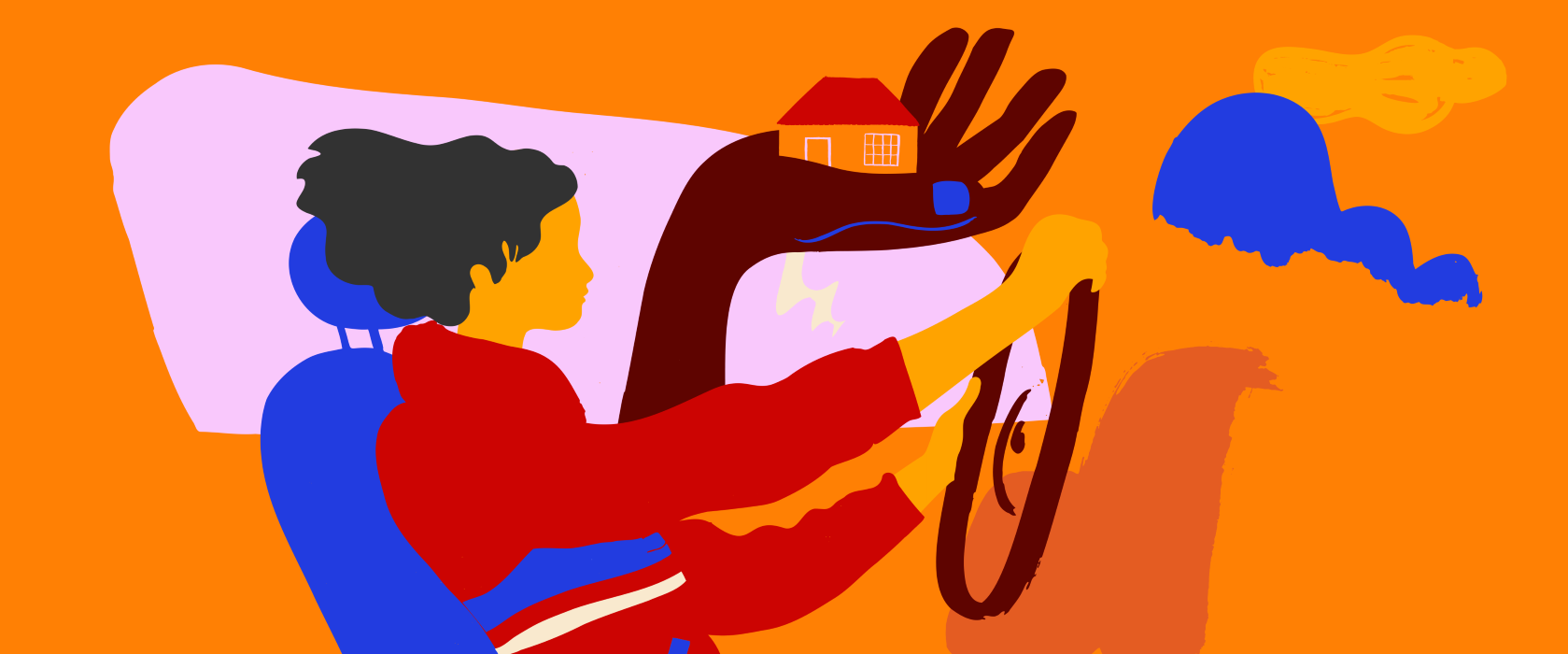
an illustration of a woman driving a car.

Près d’une femme sur trois a subi des violences à l’échelle mondiale. En période de crise, les chiffres peuvent même être encore plus élevés. La violence basée sur le genre est la violation des droits humains la plus répandue – pourtant, elle n’est ni naturelle ni inévitable. Elle peut et doit être évitée. Pour mettre fin à cette violence, il faut commencer par accorder foi aux récits des survivantes et agir, au quotidien. Dans le cadre de cette série éditoriale spéciale à l’occasion des 16 Jours d’activisme, ONU Femmes présente les voix des survivantes ainsi que des programmes transformant les vies et les communautés.

Trigger warning: The following includes descriptions of gender-based violence.

“Since I was a child, I loved the idea of driving, but I didn’t dare to dream about it,” says Romela Islam*. “I got married after I finished high school. My husband was a cruel man and tortured me. When I was pregnant, he punched me so hard I ended up losing my baby. On most nights, I cried myself to sleep. I wanted to end my life.”
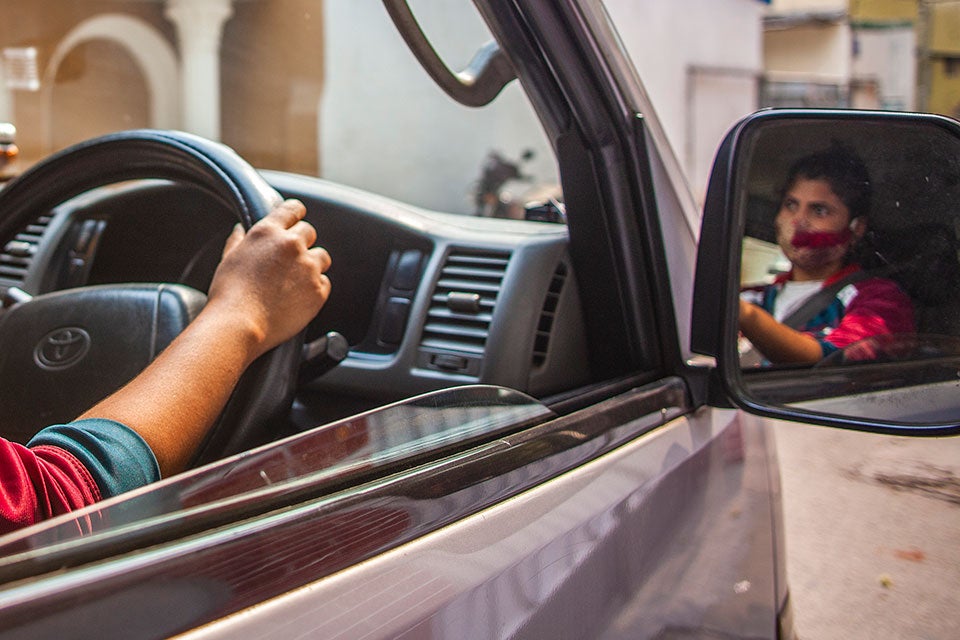
Romela's hands on the steering wheel as she drives.
Romela drives her car.
Romela Islam driving. Photo: UN Women

Romela Islam escaped her abusive marriage when her brother took her to Tarango (meaning, waves), a women’s shelter in Bangladesh in December 2020. The COVID-19 pandemic was sweeping the country and violence against women and girls was on the rise. Despite the spike in demand, many shelters and essential services had shut down. However, Tarango, in partnership with UN Women and with funding from the Government of Japan, was able to expand its integrated shelter programme that provides safe temporary accommodations, legal and medical services, as well as vocational training to survivors of violence who were looking for a fresh start.

Islam was relieved to find a place where she could live safely with her 4-year-old daughter and eat three meals a day. But learning to drive was a breakthrough moment for her.

“The first female driver I had ever seen in my life was my driving instructor. She fascinates me and inspires me,” shares Islam. “When I first held the steering wheel of a car, I felt as if I finally had control of my life. After passing my driving test, I hope to get a licence and become a professional driver. There are very few professional female drivers in Bangladesh, but I want to earn a living doing what I love.”

Living in an abusive relationship often erodes women’s choices, self-esteem and potential. Islam has turned a new chapter in her life. “Other people always told me how to dress, where to go, and how to live my life. Now, I know these choices rest in my hands,” she says.

“You would not recognize me if you knew me from the past. I feel confident, my life is more enjoyable, and I’m excited about what lies ahead.”

What works to end gender-based violence

Violence against women and girls is preventable. Decades of evidence and practice show that comprehensive strategies that tackle root causes, change social norms and empower women and girls, alongside the enforcement of laws and the provision of essential services, work to prevent and reduce violence against women. Equally important is the presence of a strong, independent women’s rights movement that can engage local communities and hold authorities accountable.

How you can take action

  • Listen to survivors, refer them to appropriate support services, and amplify their stories using #OrangeTheWorld
  • Fund women’s rights organizations. Start by taking the #Give25forUNTF25 challenge
  • Speak up. Challenge your peers to reflect on their own behaviours, call out sexist comments and behaviours, and speak up when someone crosses the line

The programme run by Tarango is a case in point. It houses 30–35 survivors at any given time and delivers 24/7 services that help them recover from trauma, regain their dignity, and learn new skills. After completing their vocational training and learning financial literacy, women get job placement and a two-month cash grant to build their economic resilience.

The organization also supports women and girls at risk, such as single mothers, women with disabilities, LGBTQI+ people and migrant workers.

“Our job is to make women feel safe and empowered, and to treat them with the utmost respect and empathy,” says Nazlee Nipa, Programme Coordinator at Tarango.

Bithi Akter, born with a movement impairment, lived in extreme poverty after her family lost their jobs during the COVID-19 pandemic.

“Growing up, people told me that I couldn’t do things that others could. At the shelter, the staff told me that I could do a job like anyone else. They believed in me, and that gave me the drive I needed at the time,” she explains. Akter has learned tailoring and enjoys making dresses. She is on her way to becoming economically self-reliant.

To build community awareness, Tarango partners with a Girls’ Club in Dhaka, the capital city. The Club members share information with their communities about available services for survivors, menstrual hygiene and COVID-19 prevention. Young advocates lead discussions about violence against women and act as watchdogs to monitor and report any signs of abuse. Recently, they identified an incident of rape and referred the survivor swiftly and safely to medical and legal services.

*Name changed to protect the survivor’s identity

If you have experienced abuse, feel threatened, unsafe or need assistance, help is available. Find helplines here. Learn about some common signs of abuse and how to help here

Sujets

  • Élimination de la violence contre les femmes et les filles
  • Asie et le Pacifique
  • Bangladesh

Contenu associé

Image
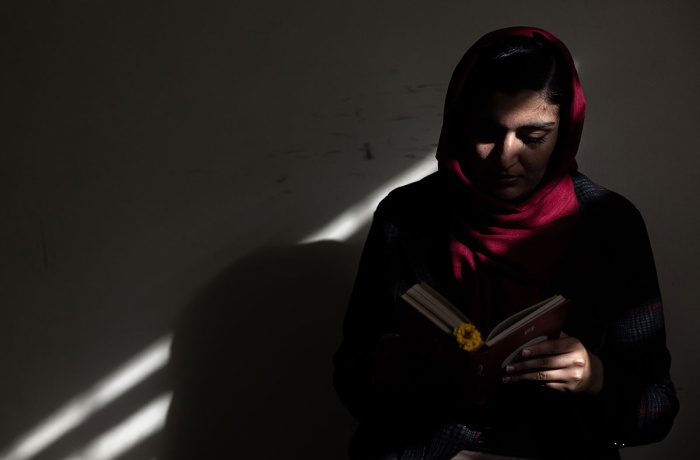
Masoma* est responsable au sein d’une organisation dirigée par des femmes dans le centre de l’Afghanistan qui, avec le soutien d’ONU Femmes, dispense des soins de santé primaires, des consultations en santé mentale, un accompagnement psychosocial et des formations professionnelles à près de 400 femmes chaque semaine.
Communiqué de presse

Cinq ans après la prise du pouvoir par les talibans : l’exclusion des femmes et des filles est devenue la norme en Afghanistan

12 août 2026
Cinq ans après la prise du pouvoir par les talibans : l’exclusion des femmes et des filles est devenue la norme en Afghanistan
Image
Six women standing closely together against a blue-to-purple gradient background, facing the camera with serious expressions. They are positioned in two rows, with a metallic UN Women logo displayed behind them. The women have diverse appearances and wear dark and neutral-toned clothing, creating a strong, unified group portrait.
Communiqué de presse

Aucun pays dans le monde n’est parvenu à instaurer la pleine égalité juridique pour les femmes et les filles

4 mars 2026
Aucun pays dans le monde n’est parvenu à instaurer la pleine égalité juridique pour les femmes et les filles
Image
Des hommes brandissent des pancartes contre les MGF lors de sessions de sensibilisation.
Reportage

Survivre aux mutilations génitales féminines (MGF)

29 janvier 2026
Survivre aux mutilations génitales féminines (MGF)

Footer menu-HQ

  • Nouvelles
  • Ressources
  • Notre travail
  • Nos méthodes
  • Dans le monde
  • Partenaires
  • Recrutement
  • Achats
  • Contactez-nous
  • Conseil d’administration
  • Commission de la condition de la femme

Donate button menu [Footer tablet]

  • Donner

Donate button menu [Footer]

  • Donner

Social media menu

  • Facebook
  • Twitter
  • LinkedIn
  • Flickr
  • YouTube
  • Instagram
ONU Femmes - Pour toutes les femmes et les filles

Footer bottom [Menu]

  • Sécurité de l’information
  • Confidentialité
  • Enquêtes
  • Conditions d’utilisation
Share this page
  • Share to Facebook
  • Share to Twitter
  • Share to LinkedIn
  • Share to E-mail

Or copy link