Pasar al contenido principal

Universal menu

  • Global
  • Regiones
    • África
    • Américas y el Caribe
    • Estados árabes
    • Asia y el Pacífico
    • Europa y Asia Central
  • Conocimiento
  • Datos
  • Capacitación
  • Transparencia
ONU Mujeres - Por y para todas las mujeres y niñas

Main Navigation-HQ

  • Quiénes somos
    • Sobre nosotras
      • Acerca de ONU Mujeres
      • Modelo institucional
      • Documentos orientativos
      • Presencia mundial
    • Liderazgo
      • Estructura de gobernanza
      • Liderazgo ejecutivo
      • Junta Ejecutiva
      • Responsabilidad
    • Trabaja con nosotras
      • Empleo
      • Obtención
      • Contacta con nosotras
      • Plan Estratégico de ONU Mujeres 2026–2029
      • UN Women Strategic Plan 2026–2029 - social media image
        Plan Estratégico de ONU Mujeres 2026–2029
  • Qué hacemos
    • como trabajamos
      • Agenda 2030 para el Desarrollo Sostenible
      • Comisión de la Condición Jurídica y Social de la Mujer
      • La paridad de género en el sistema de las Naciones Unidas
      • Apoyo intergubernamental
      • Asociaciones
      • Investigación y datos
      • Centro de formación
      • Fondos fiduciarios
      • Coordinación del sistema de la ONU
    • Áreas de enfoque
      • Poner fin a la violencia contra las mujeres
      • Paix et sécurité
      • Acción humanitaria
      • Liderazgo y gobernanza
      • Empoderamiento económico
      • Innovación y tecnología
      • Mujeres con discapacidad
      • VIH y SIDA
  • Noticias
    • centro de medios
      • Contenidos para la prensa
      • Contactos con los medios
      • ¿Por qué las mujeres están tan agotadas? El trabajo de cuidados y la carga mental
      • Two adults stand at a table changing diapers on baby dolls, with laundry hanging on a clothesline behind them in a home setting.
        ¿Por qué las mujeres están tan agotadas? El trabajo de cuidados y la carga mental
      • Al menos un millón de mujeres y niñas pierden el acceso a asistencia esencial
      • A young Ugandan woman sits with another local woman to talk
        Al menos un millón de mujeres y niñas pierden el acceso a asistencia esencial
    • Últimas
      • Noticias
      • Artículos explicativos
      • En foco
  • Digiteca
    • Resources
      • Publicaciones
      • Informe anual
      • Progress of the world’s women
      • World survey on the role of women in development
    • Término de género
      • Término de género
      • Permisos de reimpresión
  • Participa
    • Cómo involucrarse
      • Para TODAS las mujeres y las niñas
      • Día Internacional de la Mujer
      • 16 días de activismo para poner fin a la violencia contra las mujeres y las niñas
      • ¡ÚNETE! Campaña para erradicar la violencia contra las mujeres
      • Él para ella
Pregúntale a la IA
https://84e5cfacd5c7e99f9825edf344450c.1b.environment.api.powerplatform.com/powervirtualagents/botsbyschema/crad4_websiteQA/directline/token?api-version=2022-03-01-preview
1
-
Haz tu pregunta aquí
Asistente de sitio web de IA

Hola ¿Cómo puedo ayudarte?

Las respuestas del chatbot de IA pueden ser incorrectas. Verifique siempre la información importante.

Donate button menu

Donar

Sobrescribir enlaces de ayuda a la navegación

  1. Inicio
  2. Explore Nuestras Noticias Más Recientes

Website survey

We want to know how we can improve your experience on this website. Completing this survey takes less than 5 minutes.

TAKE THE SURVEY
Reportaje

Creámosles a las sobrevivientes. Actuemos ahora. La historia de Romela, Bangladesh
12 de noviembre de 2021
  • Share to Facebook
  • Share to Twitter
  • Share to LinkedIn
  • Share to E-mail
Image
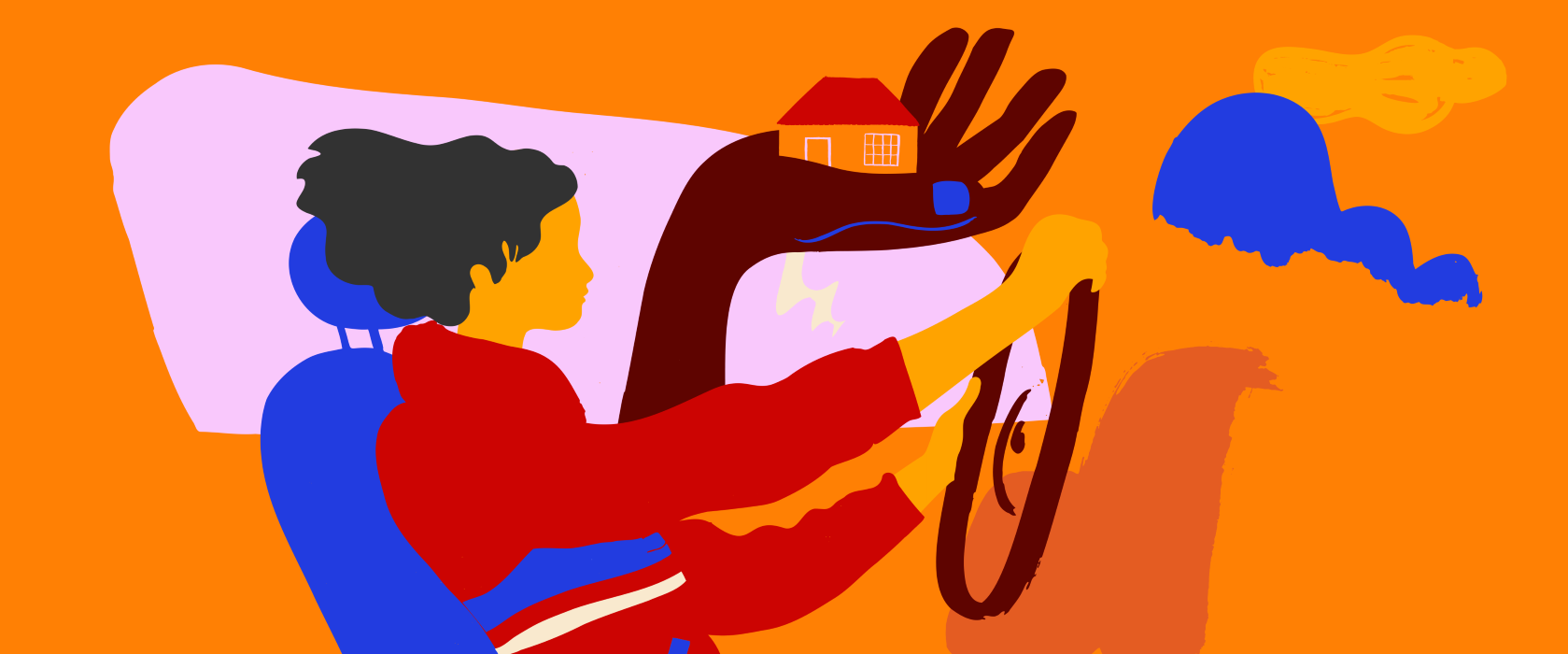
an illustration of a woman driving a car.

En todo el mundo, cerca de una de cada tres mujeres ha sufrido violencia. En épocas de crisis, las cifras pueden ser incluso mayores. La violencia de género es la violación más generalizada de los derechos humanos, pero no es natural, ni inevitable. Puede y debe evitarse. Para poner fin a este tipo de violencia, hay que empezar por creerles a las víctimas y tomar medidas, todos los días. A través de esta serie editorial especial en el marco de los 16 Días de activismo, ONU Mujeres presenta las voces de las víctimas y los programas que están transformando la vida de las personas y las comunidades.

Trigger warning: The following includes descriptions of gender-based violence.

“Since I was a child, I loved the idea of driving, but I didn’t dare to dream about it,” says Romela Islam*. “I got married after I finished high school. My husband was a cruel man and tortured me. When I was pregnant, he punched me so hard I ended up losing my baby. On most nights, I cried myself to sleep. I wanted to end my life.”
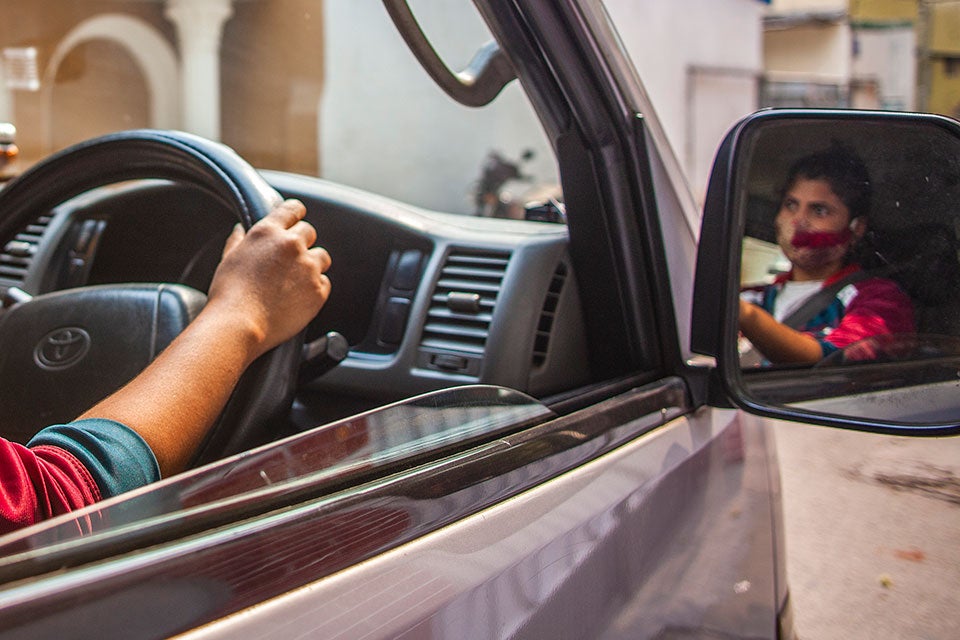
Romela's hands on the steering wheel as she drives.
Romela drives her car.
Romela Islam driving. Photo: UN Women

Romela Islam escaped her abusive marriage when her brother took her to Tarango (meaning, waves), a women’s shelter in Bangladesh in December 2020. The COVID-19 pandemic was sweeping the country and violence against women and girls was on the rise. Despite the spike in demand, many shelters and essential services had shut down. However, Tarango, in partnership with UN Women and with funding from the Government of Japan, was able to expand its integrated shelter programme that provides safe temporary accommodations, legal and medical services, as well as vocational training to survivors of violence who were looking for a fresh start.

Islam was relieved to find a place where she could live safely with her 4-year-old daughter and eat three meals a day. But learning to drive was a breakthrough moment for her.

“The first female driver I had ever seen in my life was my driving instructor. She fascinates me and inspires me,” shares Islam. “When I first held the steering wheel of a car, I felt as if I finally had control of my life. After passing my driving test, I hope to get a licence and become a professional driver. There are very few professional female drivers in Bangladesh, but I want to earn a living doing what I love.”

Living in an abusive relationship often erodes women’s choices, self-esteem and potential. Islam has turned a new chapter in her life. “Other people always told me how to dress, where to go, and how to live my life. Now, I know these choices rest in my hands,” she says.

“You would not recognize me if you knew me from the past. I feel confident, my life is more enjoyable, and I’m excited about what lies ahead.”

What works to end gender-based violence

Violence against women and girls is preventable. Decades of evidence and practice show that comprehensive strategies that tackle root causes, change social norms and empower women and girls, alongside the enforcement of laws and the provision of essential services, work to prevent and reduce violence against women. Equally important is the presence of a strong, independent women’s rights movement that can engage local communities and hold authorities accountable.

How you can take action

  • Listen to survivors, refer them to appropriate support services, and amplify their stories using #OrangeTheWorld
  • Fund women’s rights organizations. Start by taking the #Give25forUNTF25 challenge
  • Speak up. Challenge your peers to reflect on their own behaviours, call out sexist comments and behaviours, and speak up when someone crosses the line

The programme run by Tarango is a case in point. It houses 30–35 survivors at any given time and delivers 24/7 services that help them recover from trauma, regain their dignity, and learn new skills. After completing their vocational training and learning financial literacy, women get job placement and a two-month cash grant to build their economic resilience.

The organization also supports women and girls at risk, such as single mothers, women with disabilities, LGBTQI+ people and migrant workers.

“Our job is to make women feel safe and empowered, and to treat them with the utmost respect and empathy,” says Nazlee Nipa, Programme Coordinator at Tarango.

Bithi Akter, born with a movement impairment, lived in extreme poverty after her family lost their jobs during the COVID-19 pandemic.

“Growing up, people told me that I couldn’t do things that others could. At the shelter, the staff told me that I could do a job like anyone else. They believed in me, and that gave me the drive I needed at the time,” she explains. Akter has learned tailoring and enjoys making dresses. She is on her way to becoming economically self-reliant.

To build community awareness, Tarango partners with a Girls’ Club in Dhaka, the capital city. The Club members share information with their communities about available services for survivors, menstrual hygiene and COVID-19 prevention. Young advocates lead discussions about violence against women and act as watchdogs to monitor and report any signs of abuse. Recently, they identified an incident of rape and referred the survivor swiftly and safely to medical and legal services.

*Name changed to protect the survivor’s identity

If you have experienced abuse, feel threatened, unsafe or need assistance, help is available. Find helplines here. Learn about some common signs of abuse and how to help here

Temas

  • Eliminación de la violencia contra las mujeres y las niñas
  • Asia y el Pacífico
  • Bangladesh

Contenido destacado

Image
Collage with photo and illustration. A young woman with a serious expression opens a laptop. From inside it, aggressive, broken lines come off the device. By her side, there's a smartphone with the same white and orange lines on its screen. Pop-ups of messages suggest she's receiving violent texts.
Comunicado de prensa

Las denuncias policiales por violencia digital contra mujeres periodistas se duplican desde 2020; una de cada cuatro sufre ansiedad o depresión a causa de ello

30 de abril de 2026
Las denuncias policiales por violencia digital contra mujeres periodistas se duplican desde 2020; una de cada cuatro sufre ansiedad o depresión a causa de ello
Image
Six women standing closely together against a blue-to-purple gradient background, facing the camera with serious expressions. They are positioned in two rows, with a metallic UN Women logo displayed behind them. The women have diverse appearances and wear dark and neutral-toned clothing, creating a strong, unified group portrait.
Comunicado de prensa

Ningún país del mundo ha alcanzado la plena igualdad jurídica para las mujeres y niñas

4 de marzo de 2026
Ningún país del mundo ha alcanzado la plena igualdad jurídica para las mujeres y niñas
Image
Un grupo de hombres sostiene carteles contra la MGF en las sesiones de sensibilización. Foto: cortesía de Men End FGM.
Reportaje

¿Cómo es la vida de las mujeres que sobreviven a la mutilación genital femenina (MGF)?

30 de enero de 2026
¿Cómo es la vida de las mujeres que sobreviven a la mutilación genital femenina (MGF)?

Footer menu-HQ

  • Noticias
  • Recursos
  • Qué hacemos
  • Cómo trabajamos
  • Dónde estamos
  • Socios
  • Empleo
  • Adquisiciones
  • Comunícate
  • Junta Ejecutiva
  • Comisión de la Condición Jurídica y Social de la Mujer

Donate button menu [Footer tablet]

  • Donar

Donate button menu [Footer]

  • Donar

Social media menu

  • Facebook
  • Twitter
  • LinkedIn
  • Flickr
  • YouTube
  • Instagram
ONU Mujeres - Por todas las mujeres y niñas

Footer bottom [Menu]

  • Seguridad informática
  • Privacidad
  • Investigaciones
  • Condiciones de uso
Share this page
  • Share to Facebook
  • Share to Twitter
  • Share to LinkedIn
  • Share to E-mail

Or copy link