

Op-ed: How conflict drives hunger for women and girls
Women around the world face the brunt of severe hunger, with conflicts exacerbating the inequality. Ending this discrimination requires empowering more women and girls to lead on building peace and food security for all.
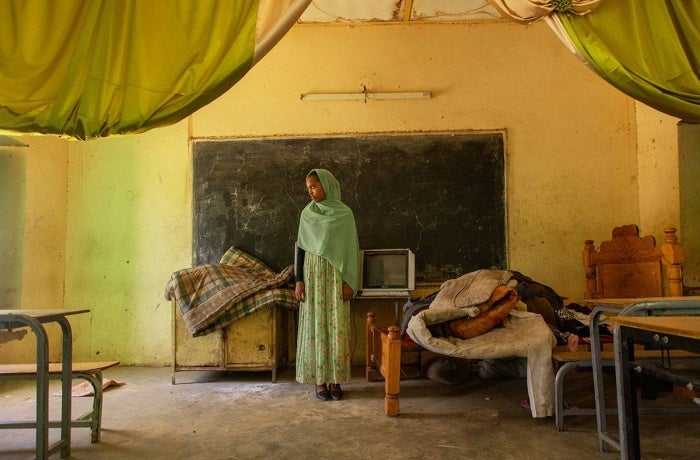
Hunger is both a cause and result of conflict. And for the more than 614 million women and girls living in conflict-affected places, hunger is a reality. In countries facing conflict and hunger, women often eat last and least—sacrificing for their families.
Conflict can cause food shortages and the severe disruption of economic activities, threatening the means of survival of entire populations. Additionally, wars commonly trigger the displacement of huge numbers of people, most of them women and girls, cutting them off from their food supplies and livelihoods. Conflict reduces the amount of food available and people’s ability to access food, food markets, and healthcare. Conflict and displacement have also forced women to abandon their jobs or miss planting seasons.
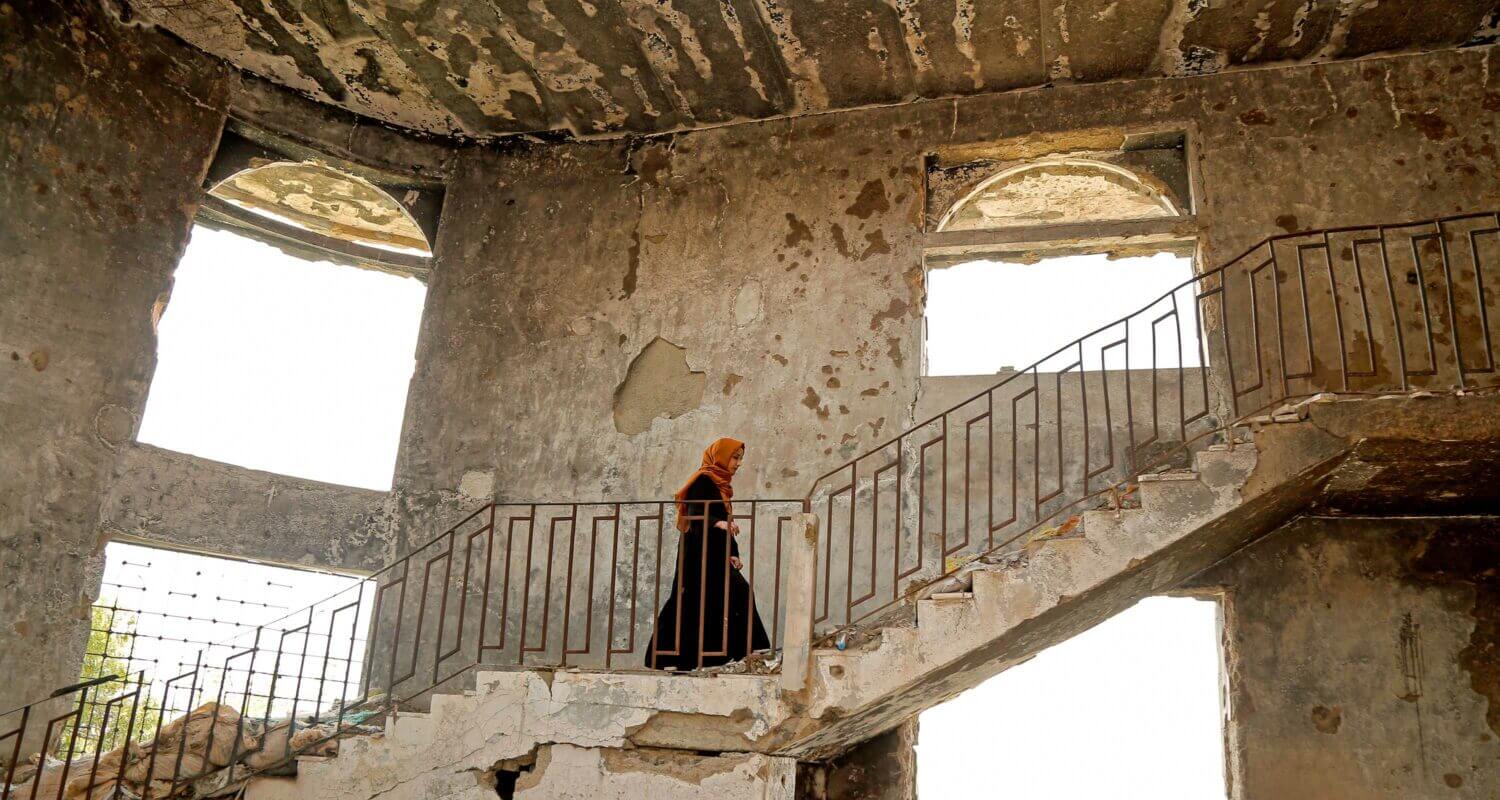
Of the 345 million people who are severely hungry in the world right now, nearly 60 per cent are women and girls. The proportion is higher in countries suffering from conflict, where women are trapped in a cycle of disadvantage, poverty, and displacement. In countries and regions including Afghanistan, Ukraine, Gaza, Democratic Republic of the Congo, Ethiopia, Myanmar, Africa’s Sahel region, South Sudan, Syria, and Yemen, women and girls are facing hunger crises due to conflict and fragility.
In Syria, the war has pushed more women to become the main breadwinners, many having to work for the first time with few skills to secure a decent job and fair pay. What little they make barely covers their families’ expenses. According to an Oxfam study, women-headed households are among the hardest hit by hunger, reporting a significant decline in their food consumption, and having to skip meals.
At the height of the crisis in Ukraine, assessments showed food security and mental health were bigger worries for women than men, with 52 per cent of Ukrainian women surveyed saying food security was one of their biggest concerns, compared with just 29 per cent of men. A UN Women report shows that war-induced food price hikes and shortages have widened the global gender gap in food insecurity, as women reduce their own food intake to give it to other household members. Women-headed households in Ukraine were already more food insecure prior to the war, with 37.5 per cent of them experiencing moderate or severe levels of food insecurity compared with 20.5 per cent of male-headed households. Rural women in the territories occupied by the Russian military were increasingly unable to perform agricultural work due to high insecurity and lack of resources.
And the entire population of 2.3 million people in Gaza are facing acute levels of food insecurity, with women finding it harder than men to access food. A report by the Integrated Food Security Phase Classification (IPC) found that more than half of all Palestinians in Gaza—1.1 million people—have completely exhausted their food supplies and are facing catastrophic hunger. And with most of Gaza’s fertile farmland having been destroyed and almost all agricultural, livestock, and fishing production halted, this is likely to worsen. The most affected are women, especially mothers and those breastfeeding, and children.
There are many interconnected reasons that conflict causes disproportionate increases in hunger among women and girls, but they boil down to social and economic roles that have been shaped by pervasive gender discrimination. Women are the family caregivers, assuming sole or primary responsibility for taking care of children, elders, and family members who are ill.
Beyond food insecurity
This disproportionate impact on women and girls has further consequences. To cope, some families have resorted to early and forced marriage for girls to sustain themselves. Food-related livelihood activities such as tending fields, foraging for food, or fetching water make women and girls vulnerable to conflict-related sexual violence where conflict parties use such violence. The scarcity of food during conflict forces women and girls to travel further from their villages in search of nourishment, increasing the likelihood of their encountering armed groups who may use sexual violence. Both the threat and actual experience of conflict-related sexual violence impact the well-being of women and girls (as well as their wider families) and affect their ability to provide food and care for their families.
Women and girls are taking action …
Women have also, however, risen to the challenge of feeding their families and communities during conflict. Experience and evidence show that women are more likely to spend their incomes on food, healthcare, and education. Hence, their engagement and leadership are critical for post-conflict recovery. Targeting women as the first beneficiaries of food aid and social protection, as well as helping them and their communities to complete harvests, can contribute significantly to improving household resilience and to peacebuilding.
… but the international community must act too
While the connections between conflict and food insecurity are complex, and better information is needed on the issue, including how conflict aggravates the political and structural violence that contributes to food insecurity, there are several actions that the international community can prioritize.
First is strengthening women’s and girls’ voice, agency, participation, and leadership in conflict response, recovery, and peacebuilding. Research has shown that a higher presence of female signatories in peace processes decreases the likelihood of food insecurity in post-conflict societies.
Second is promoting and protecting the right to food by targeting the specific nutrition needs of women and girls, and accelerating the transformation toward more equitable, gender-responsive, and sustainable food systems, as well as equitable access to inputs, technologies, and markets by women.
Third is enhancing gender statistics and sex-disaggregated data to build the evidence base for gender-responsive policy, planning, and reconstruction measures, and to track and monitor the gender-related impacts of food insecurity and energy poverty on women and girls.
Fourth is including food security interventions in peace processes. Sustaining peace encompasses activities aimed at preventing the outbreak, escalation, continuation, and recurrence of conflict, including addressing root causes and moving toward recovery, reconstruction, and development. Opportunities exist for interventions supporting food and nutrition security and agricultural livelihoods to contribute to conflict prevention and sustaining peace and gender equality—so that not only the symptoms but also the root causes of conflicts are addressed.
In 2018, the United Nations Security Council passed a historic resolution recognizing that hunger drives forced displacement—and, conversely, that forced displacement can have a devastating impact on agricultural production. Hunger will never be eliminated without global peace. This resolution called on all parties to armed conflict to comply fully with international humanitarian law and to protect civilian infrastructure critical for the proper functioning of food production and supply systems. International humanitarian law sets out measures to mitigate the impact of armed conflict on civilians.
What is without doubt is that empowering women and girls can end hunger for good and transform whole communities in the process.
Related content
Media Factsheet Haiti: Impact of ongoing violence on women and girls

Press briefing by UN Women on the humanitarian needs of women and girls in Sudan after two years of war