
SDG 3 – Good health and well-being
Women and girls in conflict settings face heightened mental and physical health risks
The global maternal mortality ratio dropped by 34 per cent from 2000 to 2020, yet almost 800 women still die every day from preventable pregnancy and childbirth-related causes. Harmful gender norms, low prioritization of safe, quality and affordable sexual and reproductive health services, and fragile health systems in low- and middle-income countries constrain progress. Crisis amplifies the pressures, shutting down access to health care and other critical resources.
In Sudan, one of the largest internal displacement crises in the world, over 10.7 million people have fled their homes. They include 1.2 million pregnant and breastfeeding women at risk of malnutrition in 2024; 40.8 per cent of those in Zamzam, North Darfur, are already suffering from acute malnutrition, with high risks of severe health complications. Every day in Afghanistan, 24 women die giving birth. Nearly a third of women (31.9 per cent) find it difficult to access health clinics and 70 per cent cannot make their own health-care decisions. Taliban restrictions on education could increase early childbearing by 45 per cent and maternal mortality by 50 per cent.
800 women
Every day, nearly 800 women die from pregnancy and childbirth-related causes
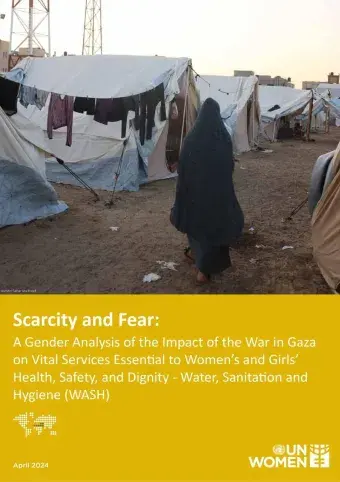
Conflicts also impose intense psychological stress on women and girls. Some 82 per cent of Afghan women have reported poor mental health. In Gaza, 75 per cent of women described feelings of depression, 62 per cent had sleep issues, and 65 per cent experienced anxiety and nightmares. Among Ukrainian refugee mothers in Poland, over 60 per cent said they suffered severe distress.
Women and girls in conflict settings are particularly vulnerable to infectious diseases due to displacement and health-care disruptions. In early 2024, over 429,000 female pneumonia cases were reported in Afghanistan. Women in Gaza had higher rates of skin infections and gastrointestinal issues than men, partly due to caring for sick family members.
War, conflict and displacement take a terrible toll on women’s physical and mental health