The Beijing Declaration and Platform for Action at 30, and why that matters for gender equality
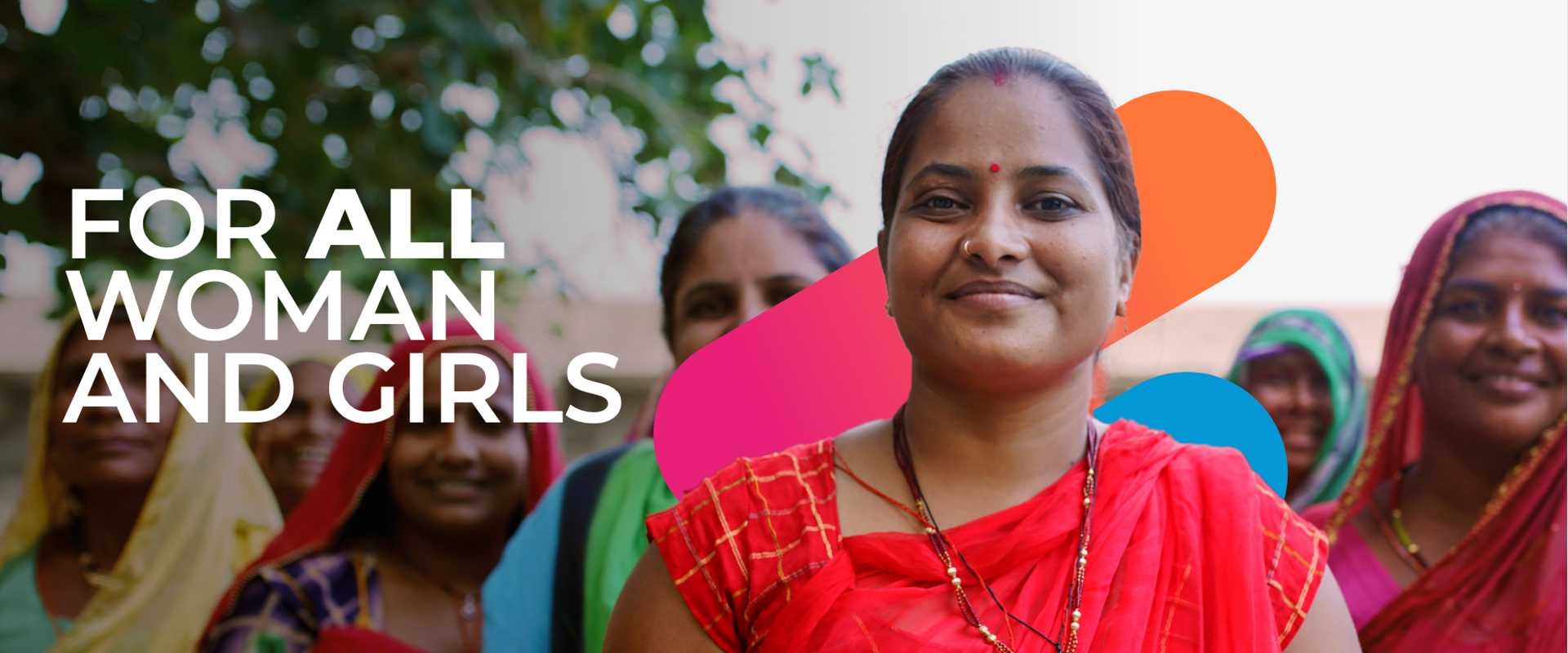
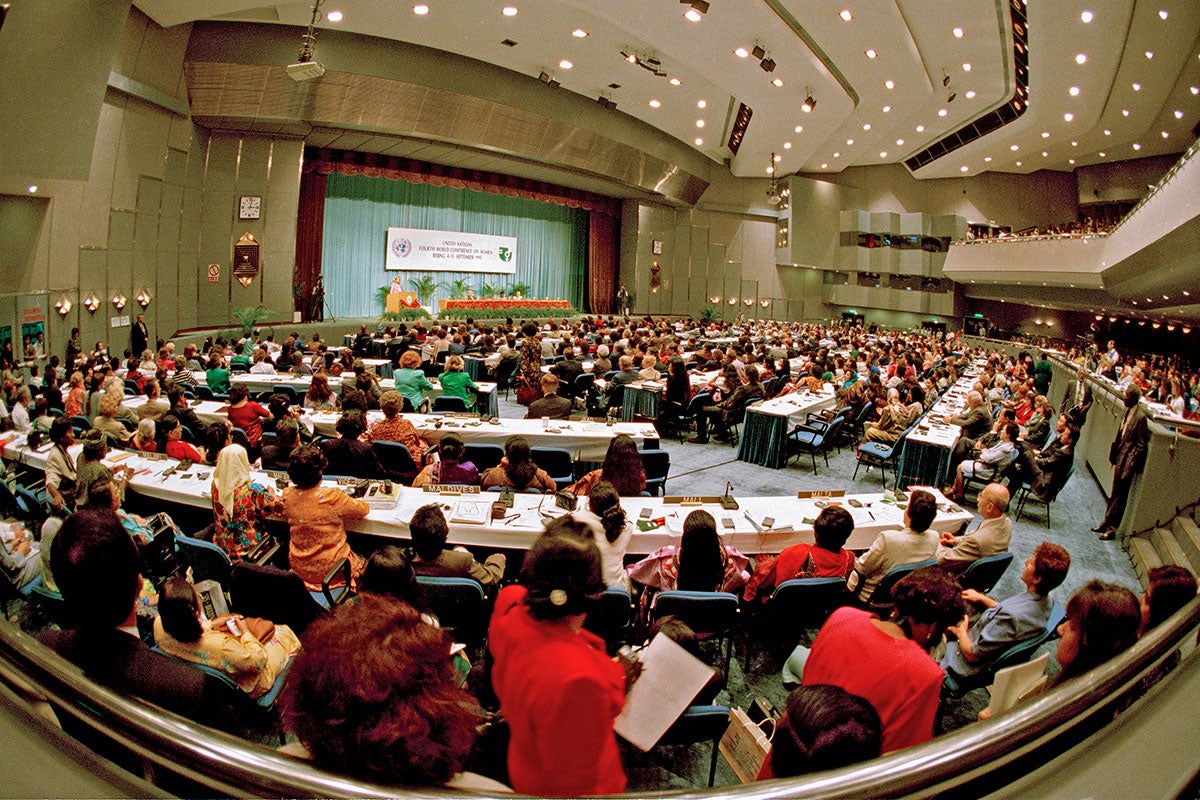
The Beijing Declaration and Platform for Action is the world’s most comprehensive, visionary plan ever created to achieve the equal rights of ALL women and girls. Agreed by 189 governments in 1995, at the Fourth World Conference on Women, the Platform centres on 12 areas of action – referred to as “critical areas of concern”. These cover jobs and the economy, political participation, peace, the environment, ending violence against women and more.
2025 marks the thirtieth anniversary of the Beijing Declaration and Platform for Action. It’s a pivotal year for feminism, a time to fight for women’s and girls’ rights, demand gender equality and insist on balancing power structures so everyone has an equitable chance in the world.
Are you ready?!
Why is the Beijing Platform for Action important?
Gender equality matters to everyone, everywhere. The Beijing Platform for Action considers gender equality the basis for all efforts to achieve more peaceful, prosperous societies and a sustainable planet.
The Platform is about action, not talk, as its name explains. In each critical area of concern, it maps agreed steps to achieve gender equality and women’s empowerment. Feminist, youth and other civil society movements have long advocated for many of these and were highly influential in shaping the Platform. Alongside government representatives, they made up the bulk of the 17,000 people who attended the Fourth World Conference on Women.
With the Beijing Platform for Action, countries have a plan and know what they need to do. The commitments made by each government influence domestic and foreign policy as well as investments in laws, policies and programmes to advance gender equality.
Every five years, countries review who is doing what and where – or not. Everyone has a chance to weigh in on progress and roadblocks to gender equality in their own country. The reviews keep progress moving – and the urgency of gender equality visible and alive.
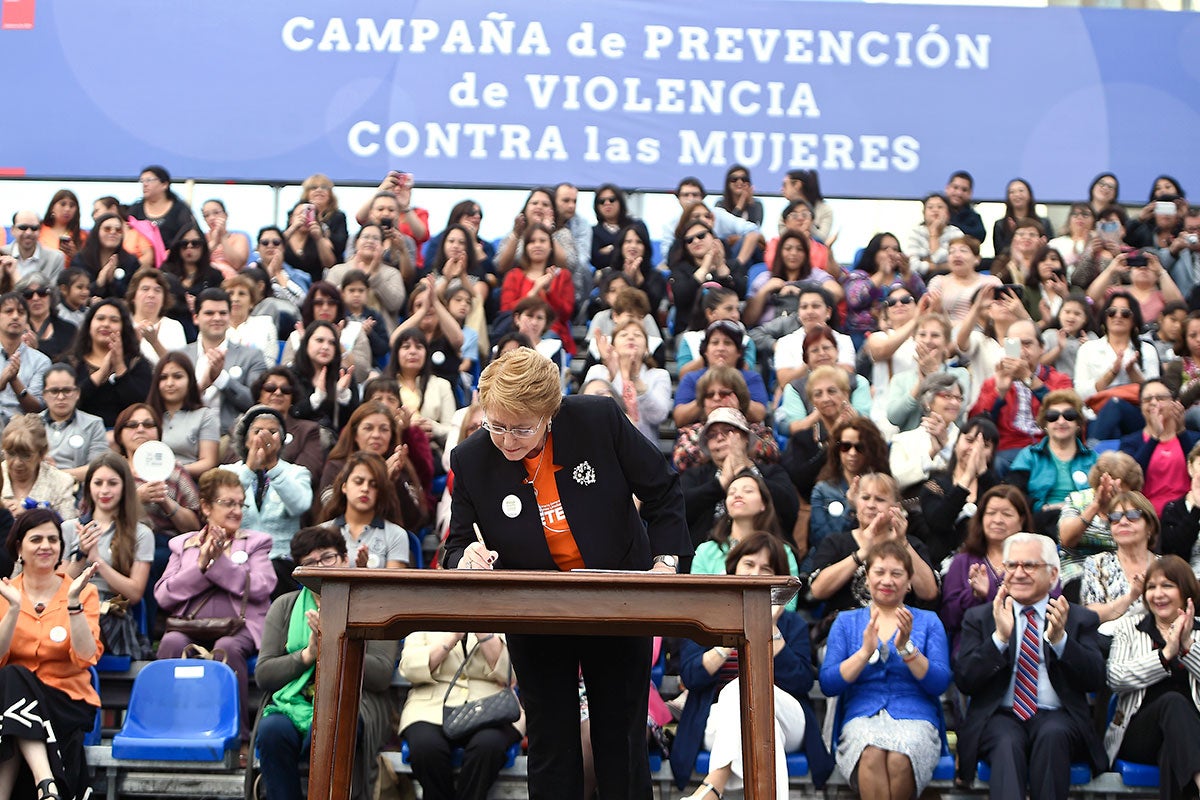
What progress has been made in women's rights since the Beijing Platform for Action was adopted?
Take a moment to reflect on any advances towards gender equality you have seen in your own life or your country. Chances are, they link in some way to the global momentum unleashed by the Beijing Declaration and Platform for Action. That’s the power of shared agreement and action.
Over nearly three decades, the Beijing Platform has driven significant progress for women and girls worldwide, proving that change is possible.
- More legal protection for women and girls: The Beijing Platform for Action sparked a global stand against gender-based violence, with 1,583 laws against it passed in 193 countries, up from only 12 countries in 1995 This includes 354 statutes targeting domestic violence. Some countries are now updating laws to keep up with new forms of violence linked to technology.
- Services and support for survivors: Governments agreed to provide shelters, legal aid, counseling and healthcare for survivors of violence, lifelines now accessible in most countries today. More than 100 countries have trained police to support survivors, an important step to seeking justice and preventing violence against women.
- Economic empowerment of women: Gains since 1995 include the nearly global spread of legislation banning gender-based discrimination in employment. New services have emerged to ease women’s heavy burden of unpaid care work, and gender gaps have closed across education.
- Women in peacebuilding: From 19 National Action Plans on women, peace and security in 2010 to 112 today, the Beijing Platform for Action empowered women to lead in conflict resolution, peacebuilding and justice for sexual violence in conflict zones. However, much more needs to be done to resource and implement the plans.
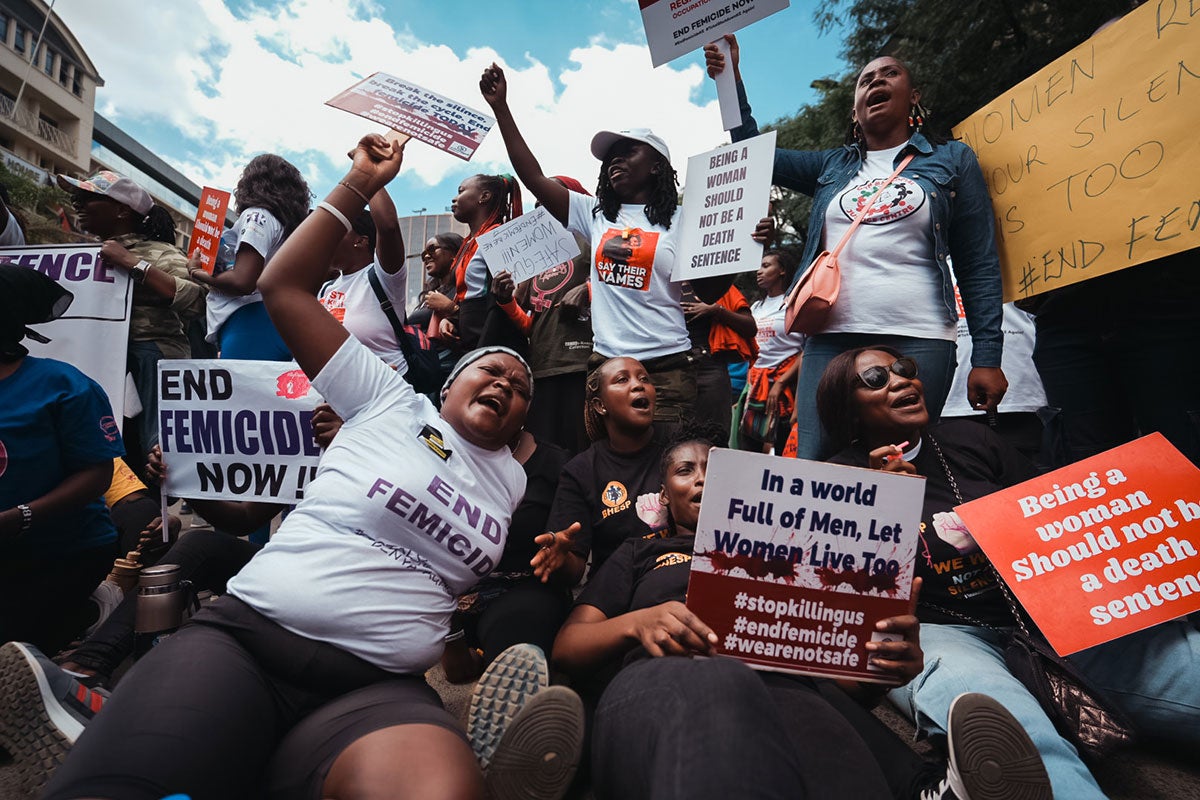
The less-good news: What challenges stand in the way of gender equality?
Gender discrimination is deeply rooted in our societies and even our own minds. The resulting gender disparities are further magnified by a highly unequal world.
Complicating factors in recent years include the pressures of the COVID-19 pandemic, economic crises, conflict, and the climate emergency, all of which intersect with surging pushback against gender equality and polarized political debate.
More women live in conflict and crisis: In 2023, more than 170 armed conflicts occurred; 612 million women and girls lived within 50 kilometres of these, more than double the number in the 1990s.
Too many women and still poor: Almost 10 percent of the world’s women and girls remain stranded in extreme poverty with few options to get out. In the worst-case climate scenario, an additional 158.3 million women and girls could be pushed into poverty by 2050. Once promising improvements in reducing maternal mortality have ground to a halt, mostly in the poorest and most fragile countries and communities.
113 countries have never had a woman Head of State: Progress on women’s political participation is happening, with the share of women more than doubling globally, from 11 per cent to 27 per cent today. Yet the rate of change makes gender parity a distant dream.
The global crisis of violence against women and girls continues with few signs of abating: Around 736 million women have been subjected to physical or sexual violence by an intimate partner or sexual violence from a non-partner at some point in their lives. Rates tend to rise during crises, and new forms are emerging through digital technologies.
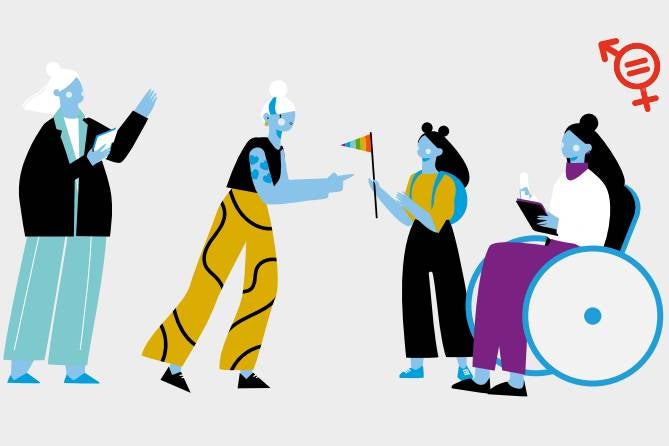
Furthermore, women and girls still face far greater risks from gender discrimination when they also confront other forms of exclusion, such as those based on disability, race, age, income or sexual orientation.
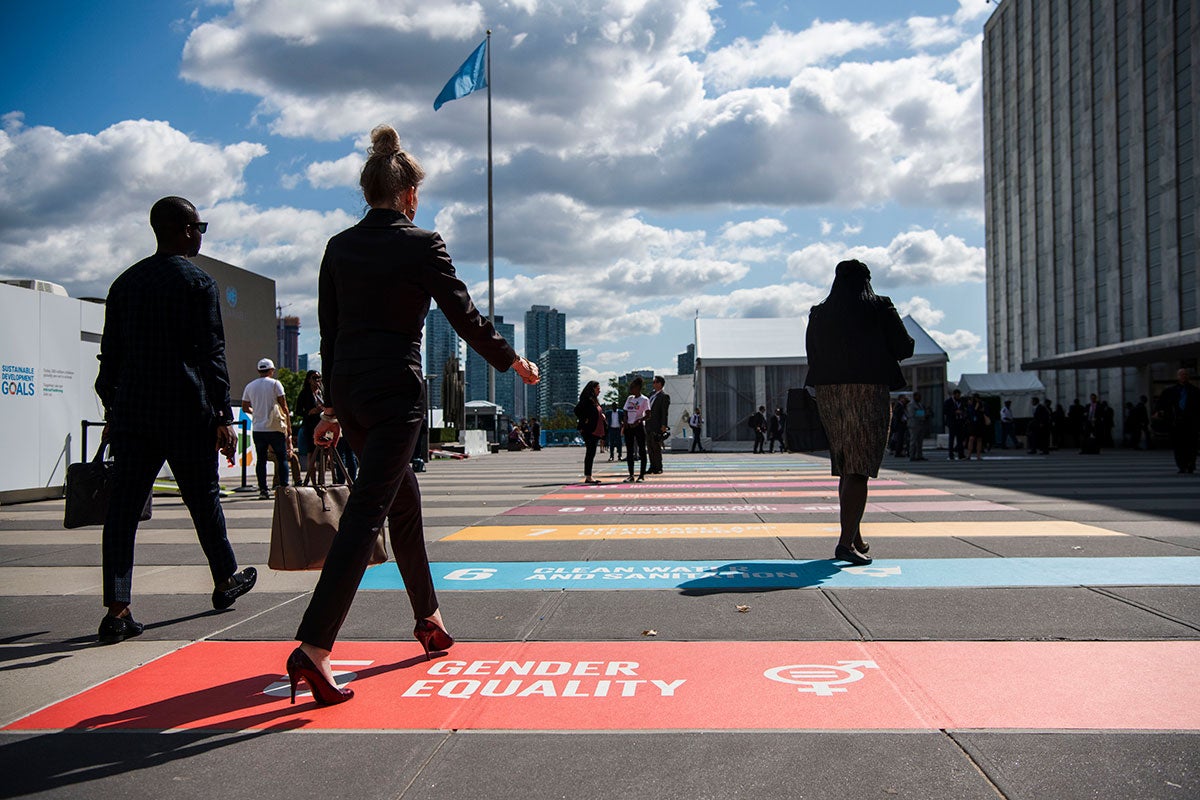
How does the Beijing Declaration and Platform for Action relate to the global Sustainable Development Goals?
Whether the issue is poverty or education or climate action, all 17 Sustainable Development Goals (SDGs) depend on achieving gender equality. Like the Beijing Platform, the SDGs are global. We will not achieve them if we don’t have half of humanity – women and girls – on board. That means we will never end poverty, improve health and stop a planetary meltdown, among other goals, without respecting and fulfilling the rights of ALL women and girls.
To dig into the details, UN Women found that 14 of the Sustainable Development Goals depend on eliminating gender-based violence. It’s a human rights violation on a major scale, taking many lives and destroying chances to work and go to school. The economic costs run into the trillions of dollars each year, funds that could go towards solving other pressing issues. Countries with high rates also have greater risks of violent conflict, putting SDG16 on peaceful societies out of reach.
Now that you know why the Beijing Platform for Action is relevant today, and how its implementation will turbo charge gender equality and sustainable development, join UN Women’s campaign, #ForAllWomenAndGirls to learn what you can do.
Learn More and Take Action
On the 30th anniversary of the Beijing Declaration and Platform for Action, join UN Women’s global campaign #ForAllWomenAndGirls