

Through Generation Equality, young activists hold the world accountable
This year marks the tenth anniversary of the International Day of the Girl, an occasion devoted to celebrating the girls and young women driving change around the world. From fighting against bias and discrimination to advocating for climate action, girls are at the forefront of some of the biggest battles of our time—pushing to make the future better not just for women but for everyone.
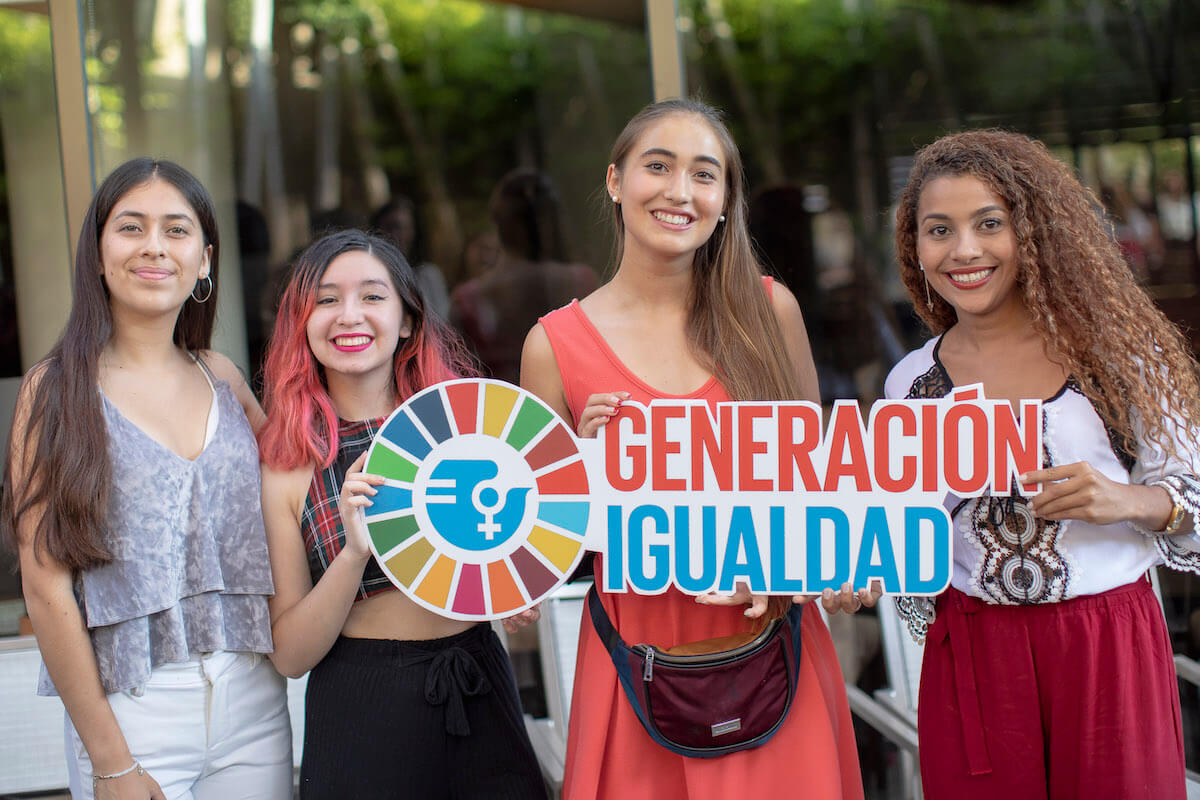
Amidst a mounting roster of global crises—and a lack of sufficient action from global leaders—girls and young women are increasingly stepping up as organizers and advocates. They’re driving crucial conversations around social, economic and environmental injustices, and they’re pushing those in charge to get serious about fixing them. And yet, despite the critical nature of this work, youth activists remain on the outskirts of decision-making spaces.
Generation Equality, a UN Women initiative focused on accelerating progress toward gender equality, was designed with a particular focus on catalysing the energy, activism and ideas of young people. Its ambitious five-year agenda—developed with significant input from girls and young women—has gained the support of governments, civil society organizations and private sectors actors alike, with nearly 2700 commitments pledged to Generation Equality so far. These commitments, which range from financial contributions to advocacy and programmatic support, represent an estimated US$40 billion in resources for gender equality.
The initiative aims to drive action on critical issues like gender-based violence, economic equality, sexual and reproductive health and rights, and climate justice. For each of these issues, an Action Coalition—a global partnership between governments, civil society and international organizations, and the private sector—is leading change by securing financing, transforming gender norms, driving law and policy reform and more.
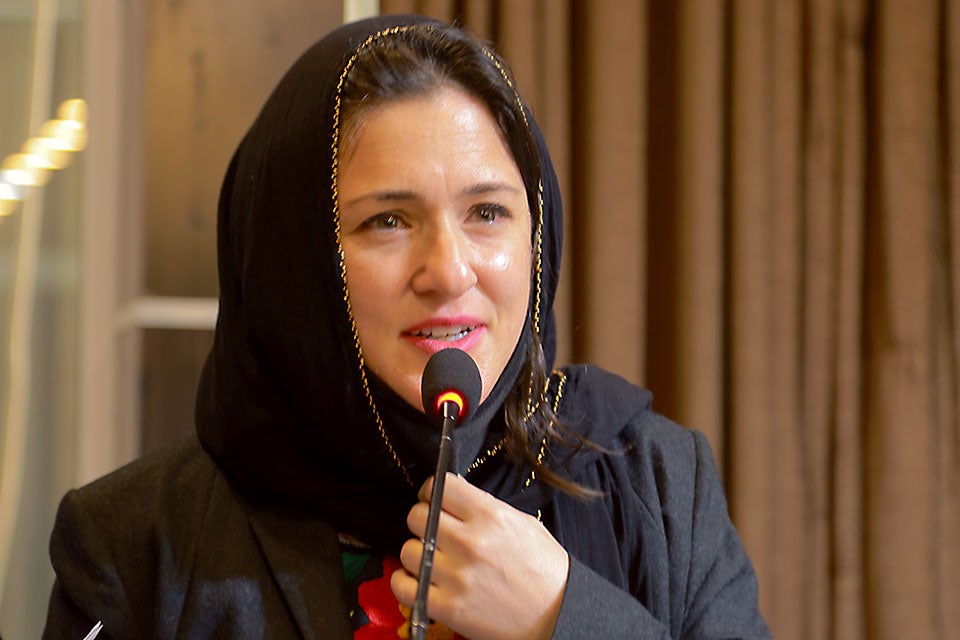
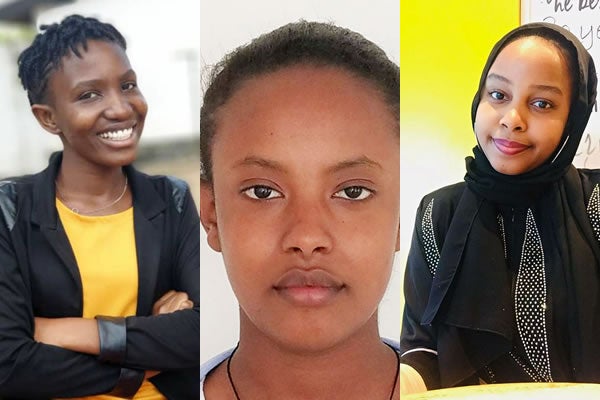
By ensuring the inclusion of youth leaders, the Feminist Action for Climate Justice Action Coalition has provided a crucial opportunity for girls and young women to join the global conversation around climate. Youth activists from groups like Fridays for Future, Teijendo Pensamientos and Break.The.Ice are making significant victories as Action Coalition leaders, from helping set ambitious five-year climate targets to making sure the partnerships implemented by Generation Equality are fair for all involved.
The activists led the preparation of a Youth Manifesto, presented to other actors in Generation Equality to make the case for centering and supporting youth leadership. They also organized a Feminist Action for Climate Justice Youth Engagement Roundtable, as well as youth consultations, during the Commission on the Status of Women-66—ensuring that their demands made it into the meeting’s agreed conclusions.
With the help of the newly launched Generation Equality Accountability Platform, youth leaders will now also be able to ensure that governments, businesses and other commitment makers are following through on their pledges. The 2022 Accountability Report, which took stock of progress over the past year, showed concrete evidence of the initiative’s impact—with nearly 80 per cent of commitments already being implemented.
Within Generation Equality, young climate activists have found both a platform to advocate for better policies as well as a space to learn and grow together.
“Generation Equality is a space where we actually can bring change, where we are not just present, but we are loud and visible”.
They are expanding their horizons by learning from each other and growing as leaders by organising workshops and sub-committees and negotiating agreed conclusions. These are experiences that each one of them channels back into their communities, where more effective grassroots organizing allows them to better educate on climate change, elevate others’ voices and mentor a new generation of leaders.
“It is a space that allows us to speak from the realities of the territories, to be a real activist, not just a performance activist where indigenous youth from the global south make themselves heard in decision-making spaces […]”.
Looking ahead, the youth leaders have far-reaching goals for solidifying their seats at the table, empowering others to speak up and advancing this non-traditional partnership through Generation Equality. Across the Action Coalitions, youth leaders are supporting each other to make their agendas more inclusive and move the challenges of marginalized groups to the centre of each work plan.
“Working in the Action Coalition has greatly increased my confidence and my organizational skills, and has shaped my understanding and approach as a youth leader working with indigenous women from most affected places”.
Youth leaders from the Feminist Action for Climate Justice Action Coalition are advancing discussions on gender-responsive climate financing and pushing feminist agendas on water scarcity and other climate issues. They also plan to advocate for their key messages to be taken up at the global climate conference COP-27. The girls and young women of Generation Equality have found a platform where they are heard and, speaking to them, it is clear: they are here to stay.
“We don’t want to just be in codified spaces. We want to be part of the change. We want to be in the room where the decisions are being made”.
Related content
For ALL Women and Girls: Sushmita S. Preetha on elevating and protecting women journalists
For All Women and Girls: Pendo Vestine on closing the gender gap for girls in tech
