
Universal menu

  • Global
  • Regions
    • Africa
    • Americas and the Caribbean
    • Arab States
    • Asia and the Pacific
    • Europe and Central Asia
  • Knowledge
  • Data
  • Training
  • Transparency
UN Women - For all women and girls

Main Navigation-HQ

  • Who we are
    • About us
      • About UN Women
      • Business model
      • Guiding documents
      • Worldwide presence
    • Leadership
      • Governance structure
      • Executive leadership
      • Executive Board
      • Accountability
    • Work with us
      • Employment
      • Procurement
      • Calls for proposals
      • Contact us
      • UN Women Strategic Plan 2026–2029
      • UN Women Strategic Plan 2026–2029 - social media image
        UN Women Strategic Plan 2026–2029
  • What we do
    • Focus areas
      • Ending violence against women
      • Peace and security
      • Humanitarian action
      • Leadership and governance
      • Economic empowerment
      • Innovation and technology
      • Women with disabilities
      • Youth
      • HIV and AIDS
    • How we work
      • 2030 Agenda for Sustainable Development
      • Commission on the Status of Women
      • Gender parity in the UN system
      • Intergovernmental support
      • Partnerships
      • Research and data
      • Training Centre
      • Trust funds
      • UN system coordination
      • Gender Equality Accelerators
      • Gender Equality Accelerators artwork
        Gender Equality Accelerators
  • News and stories
    • Latest
      • News
      • Articles and explainers
      • In focus
    • Media center
      • Press materials
      • Media contacts
      • Explainer: Why are women so exhausted? Care work and the mental load
      • Two adults stand at a table changing diapers on baby dolls, with laundry hanging on a clothesline behind them in a home setting.
        Explainer: Why are women so exhausted? Care work and the mental load
      • Press release: Aid cuts dismantle women’s organizations working in humanitarian crises
      • A young Ugandan woman sits with another local woman to talk
        Press release: Aid cuts dismantle women’s organizations working in humanitarian crises
  • Digital library
    • Resources
      • Publications
      • Annual reports
      • Progress of the world’s women
      • World survey on the role of women in development
      • The gender snapshot
    • GenderTerm
      • GenderTerm
      • Reprint permissions
      • UN Women Highlights 2025–2026
      • A smiling woman.
        UN Women Highlights 2025–2026
      • The gender snapshot 2025
      • gender snapshot thumbnail transparent
        The gender snapshot 2025
  • Get involved
    • How to get involved
      • For ALL Women and Girls
      • International Women's Day
      • 16 Days of Activism to End Violence against Women and Girls
      • UNiTE! Campaign to End Violence against Women
      • Generation Equality
      • He for She
Ask AI
https://84e5cfacd5c7e99f9825edf344450c.1b.environment.api.powerplatform.com/powervirtualagents/botsbyschema/crad4_websiteQA/directline/token?api-version=2022-03-01-preview
1
-
Ask your question here
AI website assistant

Hello, how can I assist you?

AI chatbot responses may be incorrect. Always verify important information.

Donate button menu

Donate

Breadcrumb

  1. Home
  2. Explore Our Latest News
  3. Explore Our Latest News

Website survey

We want to know how we can improve your experience on this website. Completing this survey takes less than 5 minutes.

TAKE THE SURVEY
Feature

Online harassment risks pushing Kenyan women out of politics

As more women in Kenya enter politics, online harassment and threats are increasingly used to intimidate and silence them.

13 September 2023
  • Share to Facebook
  • Share to Twitter
  • Share to LinkedIn
  • Share to E-mail

“Would I vie for a political seat again? Absolutely NOT!” says Helen Tullie Apiyo, popularly known in the Kenyan city of Kisumu as Tullie Tuls.

While running to be a member of the County Assembly in Kisumu’s Kilimani ward in 2022, she said, “I realized that politics is a man’s world”.
Image
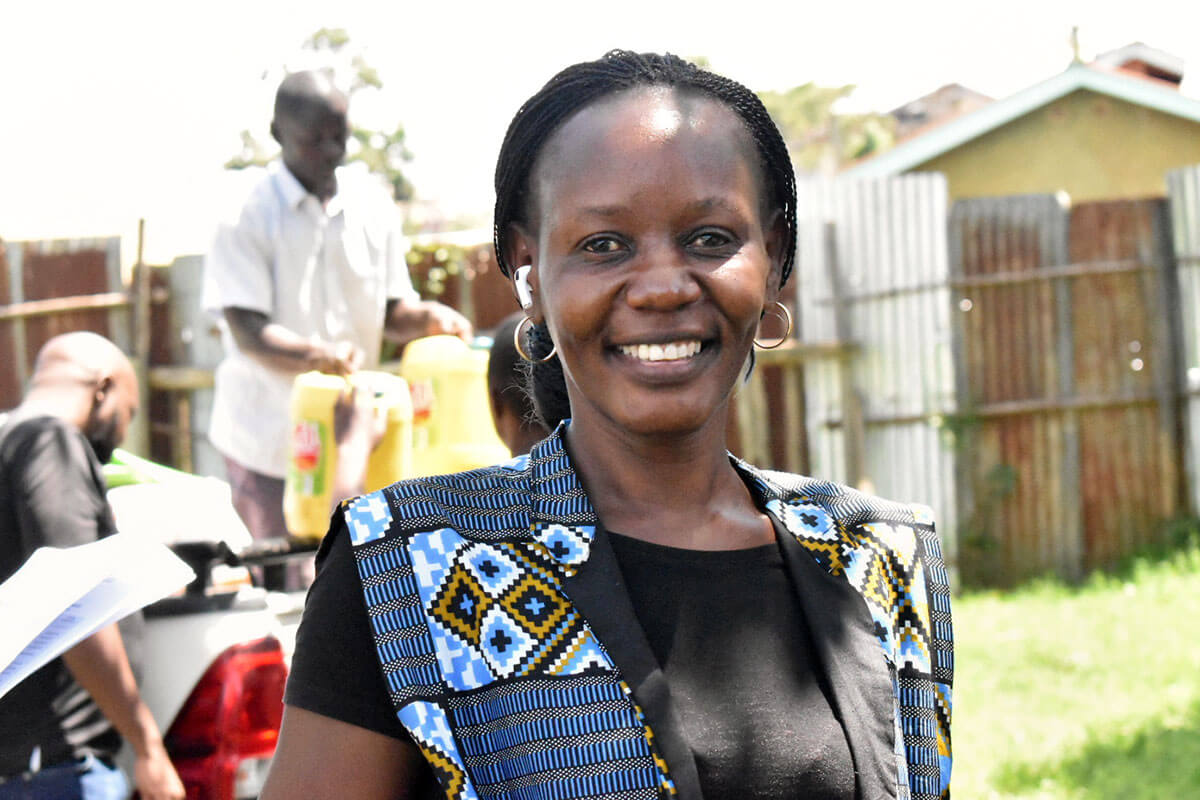
Tullie Apiyo ran for office in 2022. After facing severe harassment online, she took an appointment as a gender affairs officer in Kisumu, Kenya.
Tullie Apiyo ran for office in 2022. After facing severe harassment online, she took an appointment as a gender affairs officer in Kisumu, Kenya. Photo: UN Women/Tabitha Icuga.

“I faced so much violence on Facebook”, she said. “I am separated from my husband, so people could say unimaginable things using [pseudonymous] accounts, to me and my family. It was just chaotic.”

A 2022 analysis on violence against women in elections conducted by African Woman and Child Feature Services, a partner organization of UN Women, showed that women political leaders were among the most harassed online, with some deciding to end their political careers altogether and others choosing to keep off internet platforms to shield themselves from harassment and attacks.

UN Women’s recent report “Pambana!” (or “Keep at it” in Swahili) found that name-calling, “blackmail using negative images of women”, and other messages were spread online and aimed to instill fear, reduce women’s meaningful participation, and undermine their credibility to participate in elections.

Tullie lost her nomination and was later appointed as the officer in charge of gender affairs at Kisumu’s office of the women representative. She said that her experience in electoral politics made her more interested in positioning herself strategically, “so that when appointments are made, I would be among those selected, rather than solely pursuing elected political positions”.

“If I can positively impact the lives of even just one or two individuals, then I am content”, she said.

Although women make up more than half of Kenya’s population, they currently hold only 24.8 per cent of elected seats in the National Assembly and Senate.

In response to the challenges faced by women politicians in Kenya’s 2022 elections, UN Women is developing social media training sessions to help candidates both find messages that resonate with voters and minimize online harassment.

“By equipping women with the necessary skills, they can amplify their voices, connect with their constituents, and counter gender-based violence and inequality”, said Mildred Nzau, the Deepening Democracy Specialist at UN Women’s country office in Kenya.
Image
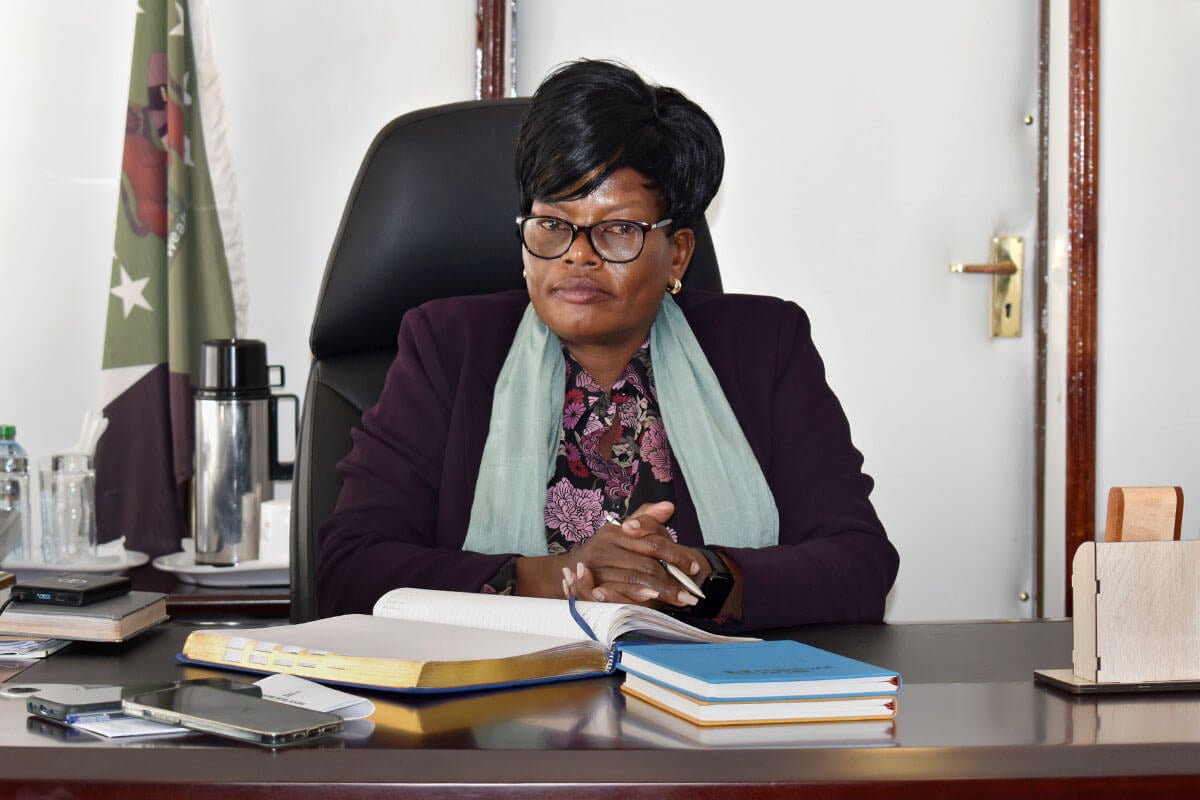
Jennifer Mbatiany, deputy governor of Kenya’s Bungoma county, is seen in her office.
Jennifer Mbatiany, deputy governor of Kenya’s Bungoma county, is seen in her office. Photo: UN Women/Tabitha Icuga.

For Jennifer Mbatiany, deputy governor of Bungoma county, getting to her position was not a walk in the park. She attributed her success to UN Women through the civil society groups that worked with her.

“In 2013, I wanted to become the deputy governor, but because of the cultural aspect, people in my community said it was not time for a woman to be given a leadership position”, she said. “I faced a lot of online [gender-based violence] too, but I never gave up.”

“Gender-based violence pushes women out of politics and discourages others from entering”, Mbatiany said. “And it limits the voices of half the population in decision-making.”

With support from the Government of Canada, UN Women has been working to increase the participation and representation of women in political leadership and decision-making in Kenya.

“We have made great strides in increasing the pool of women candidates by 56 per cent from 2017 to 2022”, said Nzau.

Kenya has constitutional guarantees of gender equality, as well as a quota mandating that government bodies are not staffed by more than two thirds of either gender. In the December 2022 cabinet and executive-level appointments, 46 per cent of the positions were filled by women.

Nzau called those appointments “a step forward in dismantling cultural and patriarchal biases that hinder women’s leadership”.

“But more action is urgently needed to end the violence, hold perpetrators accountable, and foster a culture of zero tolerance”, she said. “Only then will true gender equality in Kenyan politics—and society and society at large—be within reach.”

Topics

  • Leadership and political participation
  • Political empowerment
  • Africa
  • Kenya

Related content

Image
A young woman poses for a portrait while wearing a UN Women vest
Feature

Serving through crisis: UN Women’s humanitarian workers on what keeps them going

17 August 2026
Serving through crisis: UN Women’s humanitarian workers on what keeps them going
Image
UNWomen_Placeholder
Statement

UN Women statement for International Youth Day

11 August 2026
UN Women statement for International Youth Day
Image
Women pose in front of a bus with the Born Perfect campaign banner
Feature

Inside Liberia’s campaign to end female genital mutilation (FGM)

10 August 2026
Inside Liberia’s campaign to end female genital mutilation (FGM)

Footer menu-HQ

  • News and stories
  • Resources
  • What we do
  • How we work
  • Where we are
  • Partnerships
  • Employment
  • Procurement
  • Contact us
  • Executive Board
  • Commission on the Status of Women

Donate button menu [Footer tablet]

  • Donate

Donate button menu [Footer]

  • Donate

Social media menu

  • Facebook
  • Twitter
  • LinkedIn
  • Flickr
  • YouTube
  • Instagram
UN Women - For all women and girls

Footer bottom [Menu]

  • Copyright
  • Information security
  • Privacy notice
  • Report wrongdoing
  • Terms of use
Share this page
  • Share to Facebook
  • Share to Twitter
  • Share to LinkedIn
  • Share to E-mail

Or copy link