
Universal menu

  • Global
  • Regions
    • Africa
    • Americas and the Caribbean
    • Arab States
    • Asia and the Pacific
    • Europe and Central Asia
  • Knowledge
  • Data
  • Training
  • Transparency
UN Women - For all women and girls

Main Navigation-HQ

  • Who we are
    • About us
      • About UN Women
      • Business model
      • Guiding documents
      • Worldwide presence
    • Leadership
      • Governance structure
      • Executive leadership
      • Executive Board
      • Accountability
    • Work with us
      • Employment
      • Procurement
      • Calls for proposals
      • Contact us
      • UN Women Strategic Plan 2026–2029
      • UN Women Strategic Plan 2026–2029 - social media image
        UN Women Strategic Plan 2026–2029
  • What we do
    • Focus areas
      • Ending violence against women
      • Peace and security
      • Humanitarian action
      • Leadership and governance
      • Economic empowerment
      • Innovation and technology
      • Women with disabilities
      • Youth
      • HIV and AIDS
    • How we work
      • 2030 Agenda for Sustainable Development
      • Commission on the Status of Women
      • Gender parity in the UN system
      • Intergovernmental support
      • Partnerships
      • Research and data
      • Training Centre
      • Trust funds
      • UN system coordination
      • Gender Equality Accelerators
      • Gender Equality Accelerators artwork
        Gender Equality Accelerators
  • News and stories
    • Latest
      • News
      • Articles and explainers
      • In focus
    • Media center
      • Press materials
      • Media contacts
      • Explainer: Why are women so exhausted? Care work and the mental load
      • Two adults stand at a table changing diapers on baby dolls, with laundry hanging on a clothesline behind them in a home setting.
        Explainer: Why are women so exhausted? Care work and the mental load
      • Press release: Aid cuts dismantle women’s organizations working in humanitarian crises
      • A young Ugandan woman sits with another local woman to talk
        Press release: Aid cuts dismantle women’s organizations working in humanitarian crises
  • Digital library
    • Resources
      • Publications
      • Annual reports
      • Progress of the world’s women
      • World survey on the role of women in development
      • The gender snapshot
    • GenderTerm
      • GenderTerm
      • Reprint permissions
      • UN Women Highlights 2025–2026
      • A smiling woman.
        UN Women Highlights 2025–2026
      • The gender snapshot 2025
      • gender snapshot thumbnail transparent
        The gender snapshot 2025
  • Get involved
    • How to get involved
      • For ALL Women and Girls
      • International Women's Day
      • 16 Days of Activism to End Violence against Women and Girls
      • UNiTE! Campaign to End Violence against Women
      • Generation Equality
      • He for She
Ask AI
https://84e5cfacd5c7e99f9825edf344450c.1b.environment.api.powerplatform.com/powervirtualagents/botsbyschema/crad4_websiteQA/directline/token?api-version=2022-03-01-preview
1
-
Ask your question here
AI website assistant

Hello, how can I assist you?

AI chatbot responses may be incorrect. Always verify important information.

Donate button menu

Donate

Breadcrumb

  1. Home
  2. Explore Our Latest News
  3. Explore Our Latest News

Website survey

We want to know how we can improve your experience on this website. Completing this survey takes less than 5 minutes.

TAKE THE SURVEY
Feature

Kenya and Zimbabwe invest in preventing violence against women and girls

7 March 2024
  • Share to Facebook
  • Share to Twitter
  • Share to LinkedIn
  • Share to E-mail

In Kenya and Zimbabwe, authorities and civil society groups are using a wide array of tactics to prevent gender-based violence.

As part of UN Women’s Generation Equality Forum Action Coalition on Gender-based Violence, the Government of Kenya and the civil society organization Yes Trust Zimbabwe have each forged their own paths in reducing violence against women and girls. 
Image
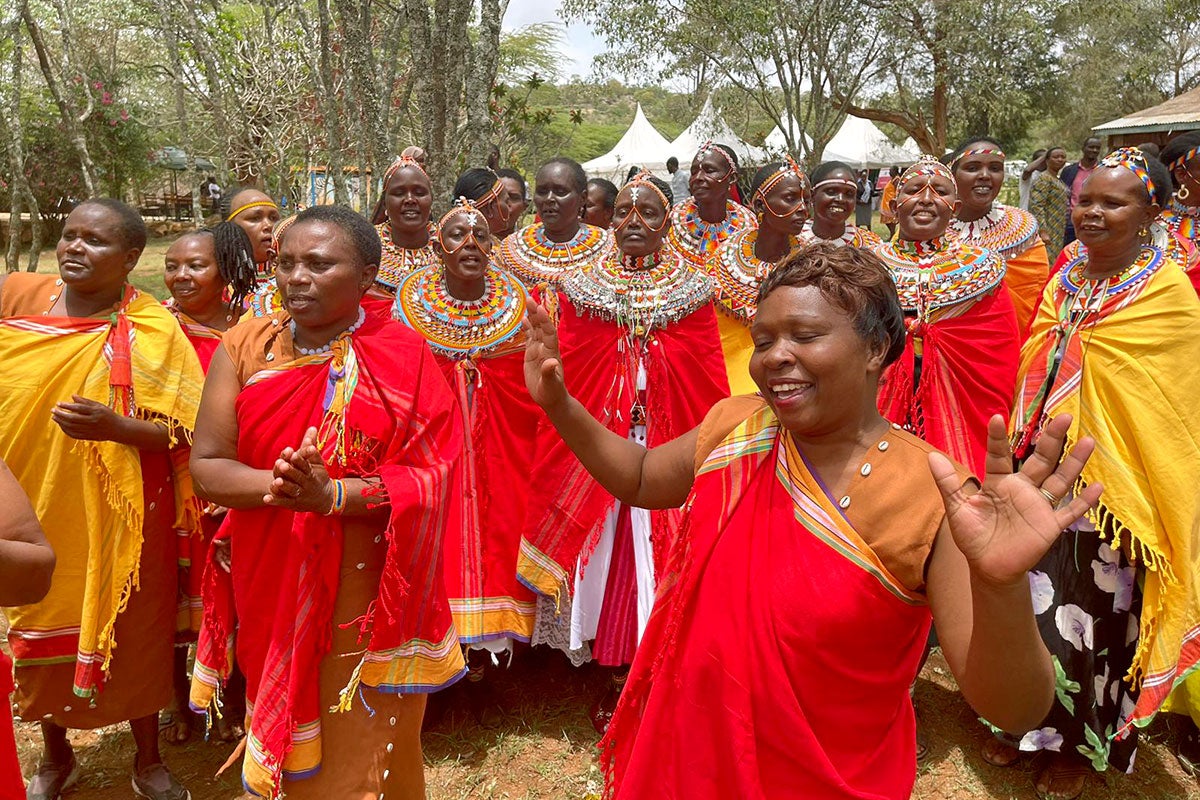
People take part in celebrations to mark the signing of declarations by council of elders in Kenya's Samburu and Mt. Elgon regions to end the practice of female genital mutilation.
People take part in celebrations to mark the signing of declarations by councils of elders in Kenya's Samburu and Mt. Elgon regions to end the practice of female genital mutilation. Photo courtesy of State Department for Gender and Affirmative Action

Yes Trust Zimbabwe

In Zimbabwe, Yes Trust has trained more than 50 local community leaders on best practices for managing and reporting cases of gender-based violence, while also pursuing multimedia projects to raise awareness about the issue. Those leaders have developed multimedia advocacy strategies such as short films, mobile roadshows, festivals, and community radio dialogues to creates spaces for exchange and empower survivors.

“Our approach goes beyond raising awareness; it's about creating spaces for exchange, challenging societal norms, and empowering survivors through tangible initiatives”, says Thina Maphosa, Head of Programmes at Yes Trust. “Investing in women is an investment in a future free from violence.”

The group has established more than 50 groups led by women and girls that conduct programming aimed at educating the public about violence reduction strategies and to empower survivors.

Soneni Moyo, a young feminist advocate who received training through Yes Trust’s programming, said the organization had given her “invaluable skills” on topics including sexual and reproductive health, advocacy, and counselling. 

“Through Yes Trust, I now have the skills and knowledge I need to be an effective advocate for our community”, she said. “I am now a gender champion, capable of holding institutions accountable for their actions. The skills I have gained have made me a stronger and more confident person.” 

The Government of Kenya

“We believe that empowering women is not just a moral obligation; it's an economic imperative”, said Phoebe Makungu, the Generation Equality Forum focal point at Kenya’s State Department for Gender and Affirmative Action emphasizes. 

“Our policy reforms, local initiatives, and strategic investments are laying the groundwork for a society where women thrive, not just as survivors but as active contributors to our nation's progress”, she said.

In coordination with the Generation Equality Forum, the country’s government has rolled out localized programmes targeting gender-based violence in nine towns and counties, including toll-free lines to report gender-based violence and clinics to provide services to survivors.

The government has also supported the Anti-Female Genital Mutilation Board, a UN Women partner. In 2021, a council of elders in the Samburu region signed a declaration committing to champion the end of this harmful practice, and a council in the Mt. Elgon region has committed to signing a similar declaration this year.

In a statement made at its 2021 signing ceremony in Samburu, the Supreme Council of Elders acknowledged that such rites of passage “no longer depicted positive values and norms. They have ended up causing more harm to our girls in the long run”.

“From now, we are going to take measures to protect girls and prevent FGM from taking place in our community”, the statement said.

Looking Forward

In the pursuit of gender equality, investing in women is not only a moral imperative but also an economic necessity.

“We recognize the challenges, but they only fuel our determination”, Maphosa said. “Our multimedia advocacy, community engagement, and empowerment programmes are vital components of a comprehensive strategy to create lasting change.”

Makungu echoes that sentiment, saying, “Empowering women is an investment in our nation's prosperity and strength. Our strides in policy reforms, awareness campaigns, and services aim for a future where every woman can thrive, contributing significantly to a just society resilient against violence.”

At the halfway mark of the Generation Equality campaign, Yes Trust Zimbabwe and the Government of Kenya serve as examples of investing in women and the leadership and collective commitment needed to build a world where women not only survive but thrive.

Topics

  • Ending violence against women and girls
  • Anti-violence interventions
  • Primary prevention
  • Africa
  • Kenya
  • Zimbabwe

Related content

Image
Sudanese women
Feature

How Sudanese women uplift one another – and their communities – amid war

15 September 2026
How Sudanese women uplift one another – and their communities – amid war
Image
UNWomen_Placeholder
Statement

A year since Afghan women staff barred from entering United Nations premises across the country

7 September 2026
A year since Afghan women staff barred from entering United Nations premises across the country
Image
Sidi Haidara speaks into a microphone
Feature

One man’s quest to end female genital mutilation (FGM) in Mali

27 August 2026
One man’s quest to end female genital mutilation (FGM) in Mali

Footer menu-HQ

  • News and stories
  • Resources
  • What we do
  • How we work
  • Where we are
  • Partnerships
  • Employment
  • Procurement
  • Contact us
  • Executive Board
  • Commission on the Status of Women

Donate button menu [Footer tablet]

  • Donate

Donate button menu [Footer]

  • Donate

Social media menu

  • Facebook
  • Twitter
  • LinkedIn
  • Flickr
  • YouTube
  • Instagram
UN Women - For all women and girls

Footer bottom [Menu]

  • Copyright
  • Information security
  • Privacy notice
  • Report wrongdoing
  • Terms of use
Share this page
  • Share to Facebook
  • Share to Twitter
  • Share to LinkedIn
  • Share to E-mail

Or copy link