
Universal menu

  • Global
  • Regions
    • Africa
    • Americas and the Caribbean
    • Arab States
    • Asia and the Pacific
    • Europe and Central Asia
  • Knowledge
  • Data
  • Training
  • Transparency
UN Women - For all women and girls

Main Navigation-HQ

  • Who we are
    • About us
      • About UN Women
      • Business model
      • Guiding documents
      • Worldwide presence
    • Leadership
      • Governance structure
      • Executive leadership
      • Executive Board
      • Accountability
    • Work with us
      • Employment
      • Procurement
      • Calls for proposals
      • Contact us
      • UN Women Strategic Plan 2026–2029
      • UN Women Strategic Plan 2026–2029 - social media image
        UN Women Strategic Plan 2026–2029
  • What we do
    • Focus areas
      • Ending violence against women
      • Peace and security
      • Humanitarian action
      • Leadership and governance
      • Economic empowerment
      • Innovation and technology
      • Women with disabilities
      • Youth
      • HIV and AIDS
    • How we work
      • 2030 Agenda for Sustainable Development
      • Commission on the Status of Women
      • Gender parity in the UN system
      • Intergovernmental support
      • Partnerships
      • Research and data
      • Training Centre
      • Trust funds
      • UN system coordination
      • Gender Equality Accelerators
      • Gender Equality Accelerators artwork
        Gender Equality Accelerators
  • News and stories
    • Latest
      • News
      • Articles and explainers
      • In focus
    • Media center
      • Press materials
      • Media contacts
      • Explainer: Why are women so exhausted? Care work and the mental load
      • Two adults stand at a table changing diapers on baby dolls, with laundry hanging on a clothesline behind them in a home setting.
        Explainer: Why are women so exhausted? Care work and the mental load
      • Press release: Aid cuts dismantle women’s organizations working in humanitarian crises
      • A young Ugandan woman sits with another local woman to talk
        Press release: Aid cuts dismantle women’s organizations working in humanitarian crises
  • Digital library
    • Resources
      • Publications
      • Annual reports
      • Progress of the world’s women
      • World survey on the role of women in development
      • The gender snapshot
    • GenderTerm
      • GenderTerm
      • Reprint permissions
      • UN Women Highlights 2025–2026
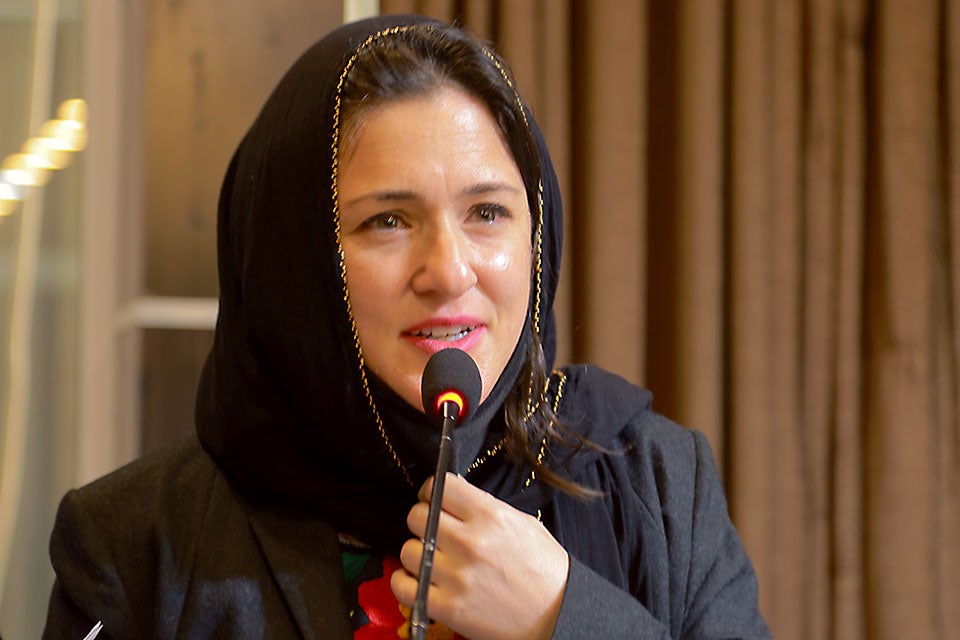
      • A smiling woman.
        UN Women Highlights 2025–2026
      • The gender snapshot 2025
      • gender snapshot thumbnail transparent
        The gender snapshot 2025
  • Get involved
    • How to get involved
      • For ALL Women and Girls
      • International Women's Day
      • 16 Days of Activism to End Violence against Women and Girls
      • UNiTE! Campaign to End Violence against Women
      • Generation Equality
      • He for She
Ask AI
https://84e5cfacd5c7e99f9825edf344450c.1b.environment.api.powerplatform.com/powervirtualagents/botsbyschema/crad4_websiteQA/directline/token?api-version=2022-03-01-preview
1
-
Ask your question here
AI website assistant

Hello, how can I assist you?

AI chatbot responses may be incorrect. Always verify important information.

Donate button menu

Donate

Breadcrumb

  1. Home
  2. Explore Our Latest News
  3. Explore Our Latest News

Website survey

We want to know how we can improve your experience on this website. Completing this survey takes less than 5 minutes.

TAKE THE SURVEY
Statement

Statement: The Gambia’s decision to uphold ban on FGM critical win for girls’ and women’s rights

Joint statement by UNICEF Executive Director Catherine Russell, UNFPA Executive Director Natalia Kanem, WHO Director-General Dr. Tedros Adhanom Ghebreyesus, UN Women Executive Director Sima Bahous, and UN High Commissioner for Human Rights Volker Türk.

15 July 2024
  • Share to Facebook
  • Share to Twitter
  • Share to LinkedIn
  • Share to E-mail

Banjul/Geneva/New York — Following the vote today by the National Assembly of The Gambia, we commend the country’s decision to uphold the ban on Female Genital Mutilation (FGM), reaffirming its commitments to human rights, gender equality, and protecting the health and well-being of girls and women.

FGM involves cutting or removing some or all of the external female genitalia. Mostly carried out on infants and young girls, it can inflict severe immediate and long-term physical and psychological damage, including infection, later childbearing complications, and post-traumatic stress disorder.

The Women’s (Amendment) Act, 2015—a pivotal milestone in advancing gender equality—is the culmination of years of advocacy, community engagement, and education aimed at eradicating this harmful practice and meeting the Sustainable Development Goal targets (5.3). It is, therefore, crucial that these legal protections remain in place.

The decision to maintain the FGM ban aligns with The Gambia’s international and regional commitments to prevent harmful practices against girls and women, consistent with the Convention on the Rights of the Child (CRC), the Convention on the Elimination of All Forms of Discrimination Against Women (CEDAW), the African Charter on the Rights and Welfare of the Child, and the Maputo Protocol protecting African women’s rights.

In addition to recognizing this critical decision by the national parliament, we commend the tireless efforts of survivors, activists, civil society organizations, and faith-based groups working to end FGM. Upholding the ban supports these grassroots initiatives, which are pivotal in ending all forms of violence, including harmful practices, against girls and women and delivering a safer and healthier future for girls and women in The Gambia and elsewhere.

The fragility of progress to end FGM cannot be overstated. Assaults on women’s and girls’ rights in countries around the globe have meant that hard-won gains are in danger of being lost. In some countries, advancements have stalled or reversed due pushback against girls’ and women’s rights, instability, and conflict, disrupting services and prevention programmes.

That is why legislative bans on FGM, while a crucial foundation for interventions, cannot alone end FGM. Today, more than 73 per cent of girls and women aged 15 to 49 in the country have already undergone this harmful practice, with many subjected to it before their fifth birthday.

Recent months have emphasized the need for continued advocacy to advance gender equality, end violence against girls and women, and secure the gains made to accelerate progress to end FGM. It also underscores the importance of engaging with communities and grassroots organizations, working with traditional, political, and religious leaders, training health workers, and raising awareness effectively on the harms caused by the practice.

Supporting survivors of FGM remains as urgent as ever. Many suffer from long-term physical and psychological harm that can result from the procedure, and need comprehensive medical and psychological care to heal from the scars inflicted by this harmful practice.

We remain steadfast in our commitment to support the government, civil society, and communities in The Gambia in the fight against FGM. Together, we must not rest until we ensure that all girls and women can live free from violence and harmful practices and that their rights, bodily integrity, and dignity are upheld.

About UN Women
UN Women is the UN organization dedicated to gender equality and the empowerment of women. A global champion for women and girls, UN Women was established to accelerate progress on meeting their needs worldwide.

For more information and interview requests, please contact [ Click to reveal ].

Topics

  • 2030 Agenda for Sustainable Development
  • Sustainable Development Goals (SDGs)
  • Ending violence against women and girls
  • Anti-violence interventions
  • Anti-violence laws/legislation
  • Harmful practices
  • Health
  • Sexual and reproductive health and rights
  • Africa
  • Gambia

Related content

Image
UNWomen_Placeholder
Media advisory

UN Women at the 81st session of the UN General Assembly (UNGA 81)

4 September 2026
UN Women at the 81st session of the UN General Assembly (UNGA 81)
Image
UNWomen_Placeholder
Press briefing

Nepal floods: 43,000 women and girls need immediate humanitarian assistance

1 September 2026
Nepal floods: 43,000 women and girls need immediate humanitarian assistance
Image
A village is devastated by floods, thick with mud and debris
Press release

Nearly 160,000 women and girls impacted by Nepal flash floods

28 August 2026
Nearly 160,000 women and girls impacted by Nepal flash floods

Footer menu-HQ

  • News and stories
  • Resources
  • What we do
  • How we work
  • Where we are
  • Partnerships
  • Employment
  • Procurement
  • Contact us
  • Executive Board
  • Commission on the Status of Women

Donate button menu [Footer tablet]

  • Donate

Donate button menu [Footer]

  • Donate

Social media menu

  • Facebook
  • Twitter
  • LinkedIn
  • Flickr
  • YouTube
  • Instagram
UN Women - For all women and girls

Footer bottom [Menu]

  • Copyright
  • Information security
  • Privacy notice
  • Report wrongdoing
  • Terms of use
Share this page
  • Share to Facebook
  • Share to Twitter
  • Share to LinkedIn
  • Share to E-mail

Or copy link