
Actions to accelerate gender equality for ALL women and girls
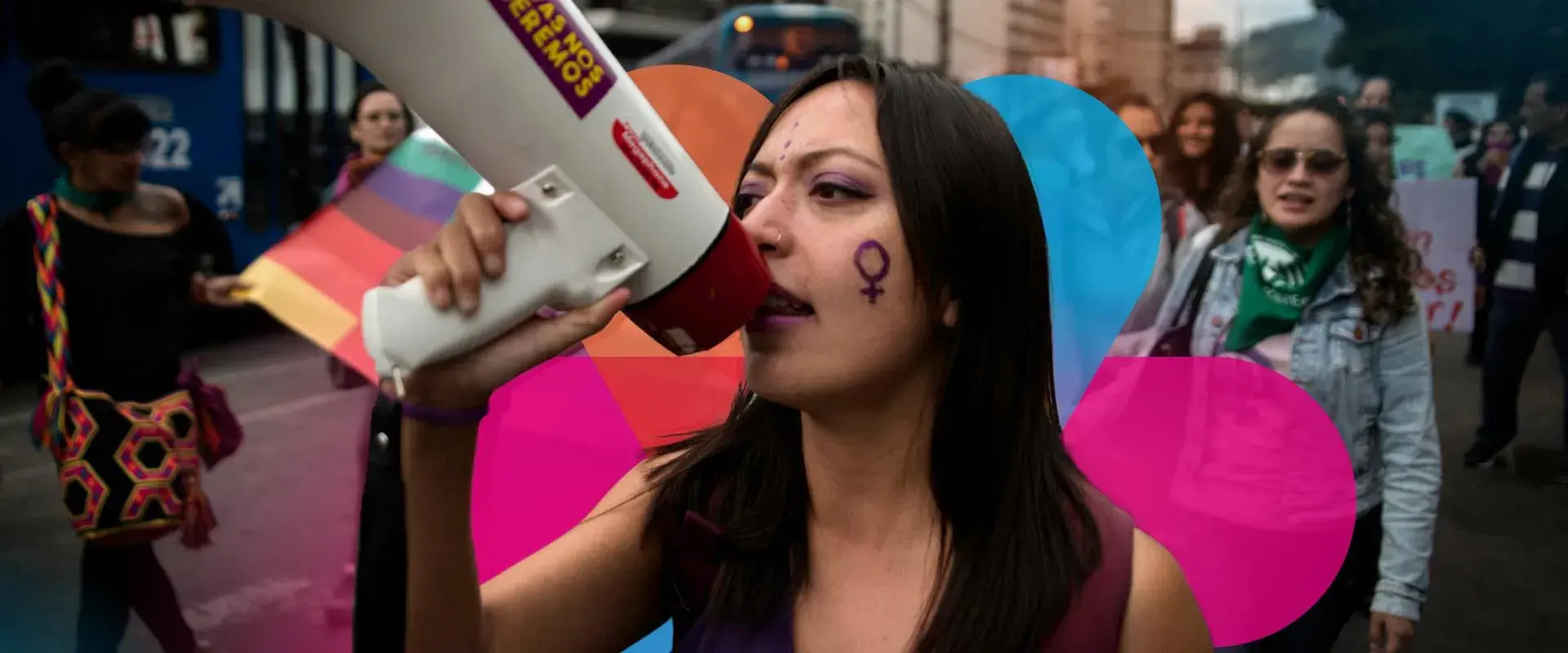
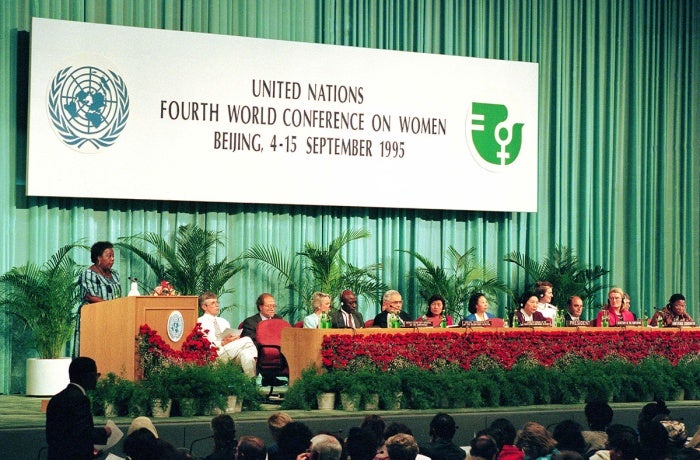
In 1995, the world united behind the Beijing Platform for Action — a revolutionary plan for gender equality that set the stage for change on a massive scale. From laws protecting women from domestic violence to programmes empowering women and girls, the Beijing Platform for Action continues to shape our world and pave the way for a just and equal future for ALL women and girls.
Thirty years of action have reshaped women’s rights globally, showing us that progress is possible. Since 1995, the proportion of women in parliaments has more than doubled, child marriage rates have fallen, and more women now have access to maternity leave, child support grants, unemployment benefits, and pension schemes — essential measures that reduce poverty and boost economic security.
Education has seen the biggest gains for women and girls since 1995 with more girls in school than ever before. Legal protections have also expanded: before the Beijing Platform for Action, only 19 countries had laws protecting women from violence, today, that number has risen to 152. But fragile political systems, a chronic lack of funding, and recurrent shocks and crises have made progress too slow and far too often led to setbacks.
The latest United Nations Secretary-General’s report shows that if things continue as they are, a girl born today will be 39 years old before women hold as many seats in parliament as men, and 68 years old before she witnesses the end of child marriage. And that’s just the tip of the iceberg. Labour force participation has barely changed and stagnated over 20 years, with 63 per cent of women and 92 per cent of men in the workforce in 2022, compared to 64 per cent and 94 per cent respectively in 2002 [1].

Reasons for hope: Key advances in women’s rights
The UN Secretary-General’s report tracks progress across 159 countries over the last five years, showing where we’ve advanced and where we still need work.
Signs of progress in numbers:
- Violence against women: 90 per cent of countries reported strengthening gender-based violence laws, their implementation and enforcement, up from 83 per cent in 2019.
- Poverty: 79 per cent of states reported efforts to strengthen social protection systems — such as maternity leave, cash transfers, pension systems, and other policies that are key to stemming poverty and boosting women’s economic empowerment — up from 70 per cent in 2019.
- Girls’ rights: 70 per cent of member states focused action on girls’ access to education, up from 61 per cent in 2019.
- Women in leadership: 38 per cent of countries reported measures to prevent and investigate cases of violence against women in public life — more than double the percentage reported 2019.
- Access to land and resources: 48 per cent of states reported taking action to increase women’s access to land, water, energy and other natural resources, an increase of 10 percentage points compared to 2019.
- Women in crisis settings: 43 per cent reported adopting gender-responsive approaches to humanitarian action and crisis response, up from 40 per cent in 2019.
- Unpaid care work: Countries reporting care services for older persons have increased from 46 per cent in 2019 to 66 per cent in 2024. This is key to freeing up women’s time, much of which is allocated to unpaid care and community work.
What is holding back gender equality?
While progress has happened, major challenges continue to slow progress towards gender equality. According to the SG’s report, these are the obstacles that require urgent attention to deliver the promises outlined in the Beijing Platform for Action:
- Economic and climate shocks, the COVID 19 pandemic, and conflicts. These crises have set back gender equality efforts over the last five years. Domestic violence surged during pandemic lockdowns, and conflicts and the climate emergency disproportionately affect millions of women and girls around the world. In 2023, over 170 armed conflicts were recorded, with around 612 million women and girls living within 50 kilometers of these zones — more than double the number in 2010. And as the climate crisis deepens, 158.3 million more women and girls could be plunged into poverty by 2050.
- Backlash against feminism and gender fatigue: In recent years, anti-rights movements have gained momentum with discriminatory laws targeting women’s sexual and reproductive health rights, limiting their access to services, and weakening legal protections against gender-based violence. Women in politics and public life face more threats, and the space for women and girls to speak out and hold leaders accountable is shrinking at an alarming rate.
- Lack of funding for gender equality: Laws in the books won’t change lives — real progress requires real investment in putting laws and policies into action. But funding for gender equality is lagging. Austerity measures and soaring debt, especially in the world’s poorest countries, have led to cuts in essential services like healthcare and education. Only 4 per cent of total bilateral aid went to programmes in which gender equality is the main goal in 2022. Support for women’s rights organizations and government institutions is also backsliding. In 2021-2022, funding for women’s rights organizations dropped by a third to an average of $596 million per year, down from $867 million in 2019–2020. National gender equality bodies are being defunded, undermined, or dismantled, leaving them without the power, capacity, or resources to do their job, further fueling crises.
- Population changes: Rapid population growth across sub-Saharan Africa, and in parts of Asia, Latin America and the Caribbean is straining public services, such as healthcare, education and sexual and reproductive services, in regions where governments were already struggling to provide. In other parts of the world, such as Europe or Japan, ageing populations are increasing the volume of unpaid care work that women and girls take on compared to men.
What needs to be done to achieve gender equality?
We have the power to change the future for women and girls, but action is urgently needed. Here are six initiatives that can drive real change for ALL women and girls, keeping the leadership of young women and adolescent girls at the heart of every effort:
1. For ALL women and girls — A digital revolution
Closing the digital gender divide could save $500 billion over the next five years. Technology must be a force for equality, not exclusion.
Support the Global Digital Compact and enact policies that bridge the digital gender divide, ensuring equal access and leadership for all women and girls in technology.
2. For ALL women and girls — Freedom from poverty
Nearly one in ten women live in extreme poverty. Public services and social protection expand economic security for women. Women also do at least twice as much unpaid care work as men do. Care is vital to the well-being of families, societies and economies, and yet it is undervalued and underpaid. Investing in care services, like child-care, paid leave, and long-term care, could spark the creation of nearly 300 million jobs by 2035.
Invest in social protection systems, public services, and care services to give women and girls the equal chance they deserve to thrive.
3. For ALL women and girls — Zero violence
One in three women will experience physical or sexual violence in their lifetime. Although globally we have many laws in the books, they are often poorly implemented and investment in prevention strategies is lacking.
Adopt, implement, and fund national laws and policies that signal zero impunity towards violence against women and support local women's organizations.
4. For ALL women and girls — Full and equal decision-making power
Women represent just 27 per cent of national parliamentarians globally and yet the decisions that shape their lives are overwhelmingly made by men. This is not only unjust, but inefficient. When women are involved in politics, we see more inclusive decisions, diverse solutions, and stronger economic outcomes.
Implement laws and policies, apply temporary special measures, like quotas to increase the number of women in decision-making positions in politics, business and institutions.
5. For ALL women and girls — Peace and security
More than 600 million women and girls live in areas affected by armed conflict, with conflict-related sexual violence skyrocketing by 50 per cent last year alone. Women’s organizations are on the front lines of peacebuilding and crisis response, but they remain underfunded and undervalued.
Adopt fully financed national plans to increase women's meaningful participation in all aspects of peace and security and fund women's organizations in crises and conflict settings.
6. For ALL women and girls — Climate justice
The climate crisis and biodiversity loss are accelerating, and women — especially in rural and indigenous communities — are bearing the brunt of these impacts. But they are also at the forefront of the solutions.
Prioritize women and girls in climate action by increasing investment in their leadership and access to green jobs, such as in sustainable agriculture, renewable energy, and care.
Together, we can create a just and equal future for ALL women and girls.
The Beijing Platform for Action laid the foundation for change. Now it is time to act — with urgency, collaboration, and commitment. It’s time to turn promises into action and make gender equality a reality for this generation.
International Women's Day 2025
Rights. Equality. Empowerment.
The world cannot wait for another 30 years to fulfill the promise of gender equality. Today we stand stronger, more united, more diverse, and determined to become the first generation to achieve gender equality. Join our yearly campaign and take action for ALL women and girls!