
Universal menu

  • Global
  • Regions
    • Africa
    • Americas and the Caribbean
    • Arab States
    • Asia and the Pacific
    • Europe and Central Asia
  • Knowledge
  • Data
  • Training
  • Transparency
UN Women - For all women and girls

Main Navigation-HQ

  • Who we are
    • About us
      • About UN Women
      • Business model
      • Guiding documents
      • Worldwide presence
    • Leadership
      • Governance structure
      • Executive leadership
      • Executive Board
      • Accountability
    • Work with us
      • Employment
      • Procurement
      • Calls for proposals
      • Contact us
      • UN Women Strategic Plan 2026–2029
      • UN Women Strategic Plan 2026–2029 - social media image
        UN Women Strategic Plan 2026–2029
  • What we do
    • Focus areas
      • Ending violence against women
      • Peace and security
      • Humanitarian action
      • Leadership and governance
      • Economic empowerment
      • Innovation and technology
      • Women with disabilities
      • Youth
      • HIV and AIDS
    • How we work
      • 2030 Agenda for Sustainable Development
      • Commission on the Status of Women
      • Gender parity in the UN system
      • Intergovernmental support
      • Partnerships
      • Research and data
      • Training Centre
      • Trust funds
      • UN system coordination
      • Gender Equality Accelerators
      • Gender Equality Accelerators artwork
        Gender Equality Accelerators
  • News and stories
    • Latest
      • News
      • Articles and explainers
      • In focus
    • Media center
      • Press materials
      • Media contacts
      • Explainer: Why are women so exhausted? Care work and the mental load
      • Two adults stand at a table changing diapers on baby dolls, with laundry hanging on a clothesline behind them in a home setting.
        Explainer: Why are women so exhausted? Care work and the mental load
      • Press release: Aid cuts dismantle women’s organizations working in humanitarian crises
      • A young Ugandan woman sits with another local woman to talk
        Press release: Aid cuts dismantle women’s organizations working in humanitarian crises
  • Digital library
    • Resources
      • Publications
      • Annual reports
      • Progress of the world’s women
      • World survey on the role of women in development
      • The gender snapshot
    • GenderTerm
      • GenderTerm
      • Reprint permissions
      • UN Women Highlights 2025–2026
      • A smiling woman.
        UN Women Highlights 2025–2026
      • The gender snapshot 2025
      • gender snapshot thumbnail transparent
        The gender snapshot 2025
  • Get involved
    • How to get involved
      • For ALL Women and Girls
      • International Women's Day
      • 16 Days of Activism to End Violence against Women and Girls
      • UNiTE! Campaign to End Violence against Women
      • Generation Equality
      • He for She
Ask AI
https://84e5cfacd5c7e99f9825edf344450c.1b.environment.api.powerplatform.com/powervirtualagents/botsbyschema/crad4_websiteQA/directline/token?api-version=2022-03-01-preview
1
-
Ask your question here
AI website assistant

Hello, how can I assist you?

AI chatbot responses may be incorrect. Always verify important information.

Donate button menu

Donate

Breadcrumb

  1. Home
  2. Explore Our Latest News
  3. Explore Our Latest News

Website survey

We want to know how we can improve your experience on this website. Completing this survey takes less than 5 minutes.

TAKE THE SURVEY
Feature

Pushing forward: Ending conflict-related sexual violence in Ukraine

18 November 2022
  • Share to Facebook
  • Share to Twitter
  • Share to LinkedIn
  • Share to E-mail

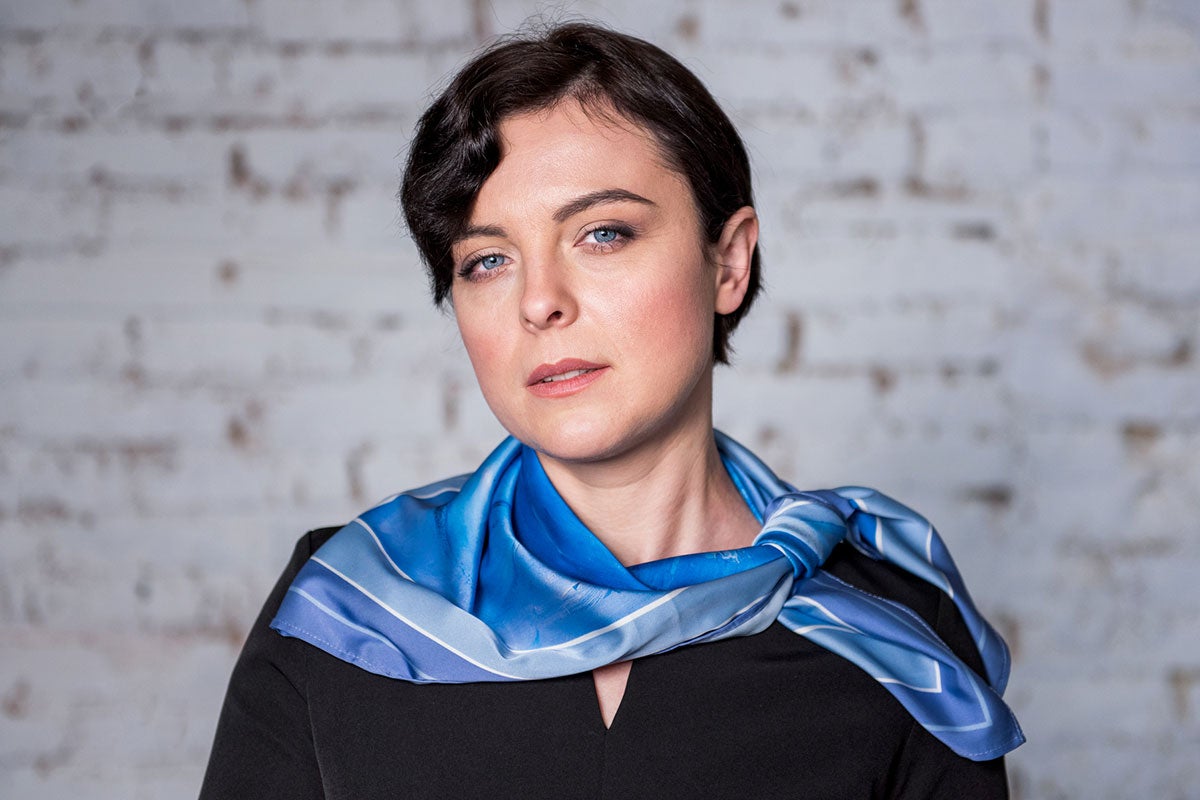
Hrystyna Kit is a Ukrainian women's rights advocate, jurist and attorney. She is also the co-founder of the Ukrainian Women Lawyers Association JurFem, which focuses on increasing gender sensitivity within the legal community and Ukrainian legislation as well as improving survivors’ access to justice. As Russia’s invasion of Ukraine continues into its ninth month, she’s pushing forward against a rising tide of gender-based violence.  
Image
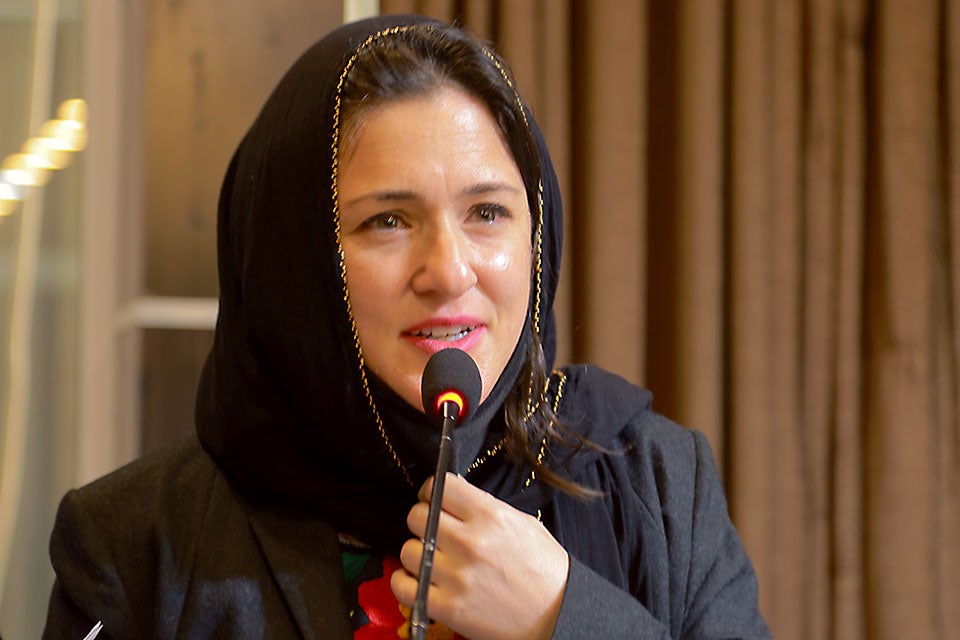
Portrait of activist Hrystyna Kit.
Hrystyna Kit is a Ukrainian women right’s advocate, jurist, attorney and co-founder of the Ukrainian Women Lawyers Association JurFem. Photo courtesy of Hrystyna Kit

Lasting impacts

As the Russian invasion erodes the security of Ukrainians across the country, the risk to women and girls is two-fold. “There’s no doubt that no one feels safe because of Russia’s war against Ukraine,” says Hrystyna, “And women and girls have become even less protected from gender-based violence.” 

Cases of conflict-related sexual violence in particular are on the rise: “Rape—usually gang rape—sexual torture, forced nudity […] and other forms of abuse have been documented by journalists, human rights organizations and law enforcement agencies.” 

The true scale of this violence is not yet known, Hrystyna says. But what’s clear is that its impacts will be lasting: “We will have to work with the consequences of [conflict-related sexual violence] for many years to come.”  

At the same time, women are still contending with the endemic violence of their own society. “Cases of domestic or sexual violence against women, in particular in public places, haven’t disappeared,” Hrystyna notes. “People who were abusive and violent within the family […] continue to commit acts of violence.”  

The ongoing conflict has made progress that much harder, Hrystyna emphasizes: “It’s difficult to move forward in the fight against violence against women when you live in a state of war and fight for your life and the lives of your children every day.”  

Bridging the gaps

Starting her law career in 2007, Hrystyna saw a critical gap in legal assistance for survivors of domestic violence. “There were not many lawyers willing to work with such cases, because these are often latent crimes,” she says. Domestic violence is typically considered a private matter, and the legal system tends to shift responsibility for handling such cases onto the victims themselves.  

Hrystyna set out to change this. “I want myself, as well as other women and girls in Ukraine to feel safe and to know that if their rights are violated, they [will] receive effective protection, without prejudice, discrimination or stigma,” she says.   

In 2017, she took a major step towards this goal with the founding of JurFem. The organization’s recent work has been shaped by the unfolding crisis: collaborating with partners to ensure conflict-related sexual violence survivors receive protection and support from law enforcement and service providers. They’ve also been providing legal assistance directly to survivors, launching a legal aid hotline in April. 

“It is possible to change our approach to investigating cases related to sexual violence only through experience and practice,” Hrystyna says. Even the strongest legal protections can’t convince police or judges to believe a survivor. But by communicating with law enforcement agencies and the courts, “[JurFem lawyers] can break existing stereotypes and ensure access to justice for the victims.” 

Though her own advocacy work relies on her legal training and decades of experience, Hrystyna emphasizes that you don’t need special skills or knowledge to get involved in a cause: “Each and every one of us should work to change something for the better.”  

What activism does require, she says, is community and care: “Unite, enlist the support of like-minded people and forces,” she advises. “Take care of your safety and mental health and do what you feel is right […] take care of yourself in order to be able to take care of others.”  

Never again

“Today, it’s especially hard to imagine a world without gender-based violence,” says Hrystyna. “After all, if we weren’t able to prevent this war, would we be able to eradicate gender-based violence?”  

She does believe that we can reduce its prevalence by creating better response mechanisms and bringing perpetrators to justice. And she believes in a better future for Ukrainian women and girls: “Justice must be restored,” she says, “so this never happens again.” 

Topics

  • Ending violence against women and girls
  • Access to justice and legal protection
  • Sexual violence in conflict
  • Europe and Central Asia
  • Ukraine

Related content

Image
UNWomen_Placeholder
Statement

A year since Afghan women staff barred from entering United Nations premises across the country

7 September 2026
A year since Afghan women staff barred from entering United Nations premises across the country
Image
Sidi Haidara speaks into a microphone
Feature

One man’s quest to end female genital mutilation (FGM) in Mali

27 August 2026
One man’s quest to end female genital mutilation (FGM) in Mali
Image
A young woman poses for a portrait while wearing a UN Women vest
Feature

Serving through crisis: UN Women’s humanitarian workers on what keeps them going

17 August 2026
Serving through crisis: UN Women’s humanitarian workers on what keeps them going

Footer menu-HQ

  • News and stories
  • Resources
  • What we do
  • How we work
  • Where we are
  • Partnerships
  • Employment
  • Procurement
  • Contact us
  • Executive Board
  • Commission on the Status of Women

Donate button menu [Footer tablet]

  • Donate

Donate button menu [Footer]

  • Donate

Social media menu

  • Facebook
  • Twitter
  • LinkedIn
  • Flickr
  • YouTube
  • Instagram
UN Women - For all women and girls

Footer bottom [Menu]

  • Copyright
  • Information security
  • Privacy notice
  • Report wrongdoing
  • Terms of use
Share this page
  • Share to Facebook
  • Share to Twitter
  • Share to LinkedIn
  • Share to E-mail

Or copy link